Scents & Colors
Why Did My Soap Fragrance Fade or Change?
Soap fragrance fading is one of the most common beginner frustrations. Learn why scent disappears and how to make it stick in cold-process soap.
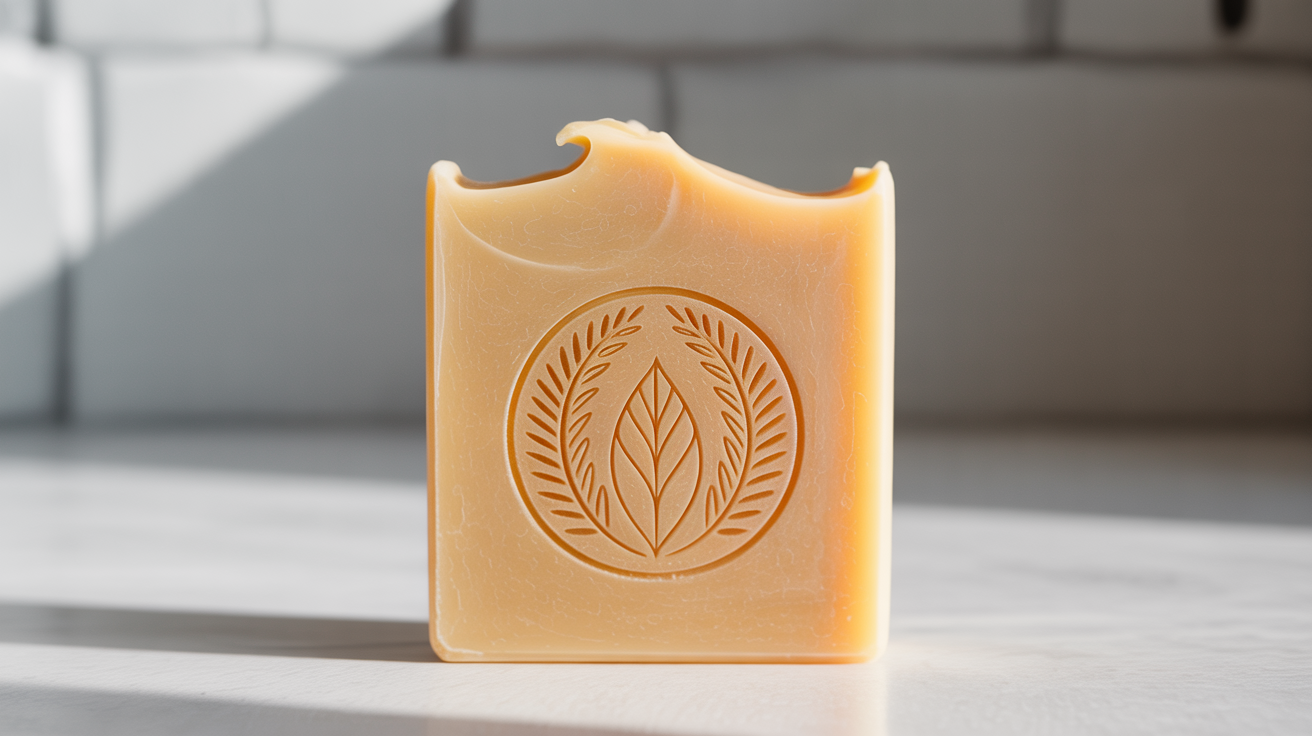
You poured a batch that smelled incredible. You unmolded it a few days later and the scent had dropped off to almost nothing. Or it smelled completely different than what went in. Both are normal, and both are fixable once you understand what happens to fragrance inside soap.
The core issue is that cold-process soap is a chemically active environment. Saponification generates heat, raises pH, and alters the very molecules that carry scent. Some fragrances handle that environment well. Others do not. Knowing which category your scent falls into, and adjusting your usage rate and technique accordingly, will get you from faded bars to bars that hold a real, lasting scent through cure and beyond.
Why Fragrance Fades in Cold-Process Soap
The saponification reaction that turns oils and lye into soap also affects fragrance molecules. Several things work against scent retention:
Heat. Mixing sodium hydroxide into water produces a spike in temperature, sometimes reaching 200 degrees F (93 degrees C) before it settles. That heat, combined with the exothermic heat of saponification itself, can volatilize lighter fragrance notes before the soap ever sets.
High pH. Fresh soap sits at a pH of 10 to 14. Many fragrance compounds break down or shift character in strongly alkaline conditions. This is why a floral that smells true in the bottle can smell soapy-generic (or nothing at all) once the batch cures.
Evaporation during cure. Soap needs four to six weeks to cure fully. During that time, water evaporates through the surface. Volatile fragrance components can travel out with that moisture, especially in the first two weeks.
Low usage rate. If you added fragrance at 1% of your oil weight when the blend calls for 3%, the result will smell faint from the start.
None of these problems are permanent. Most can be managed with the right scent choice, a proper usage rate, and a few simple techniques.
The Difference Between Fragrance Oils and Essential Oils
The type of scent you use matters as much as the amount. Fragrance oils and essential oils behave very differently in soap, and the fragrance-not-sticking problem shows up more often with certain types.
Fragrance oils are synthetic or blended aromatic compounds made specifically for use in soap, candles, and cosmetics. The best ones are formulated to survive alkaline saponification. They often contain fixatives that anchor the scent to the soap matrix. A well-chosen fragrance oil at the right usage rate will hold its scent through cure and into use.
Not all fragrance oils are equal, though. Cheap or poorly stabilized blends lose their top notes fast, leaving you with a generic or chemical background note. Always check whether a fragrance oil is rated for cold-process soap use.
Essential oils are steam-distilled or cold-pressed plant extracts. They are entirely natural, but that does not make them more stable in soap. Many essential oils are highly volatile and fade quickly. Citrus oils (sweet orange, grapefruit, bergamot) are the most notorious: they tend to disappear almost completely within two weeks of cure. Exceptions include clove, patchouli, cedarwood, and vetiver, which are heavier and more base-note dominant, and they hold reasonably well.
If your soap scent disappeared and you used a citrus or light floral essential oil, that is almost certainly the reason.
How Much Fragrance to Add
Getting the usage rate right is the most practical fix for soap fragrance fading. Most beginners underestimate how much fragrance soap needs. As a general starting point:
| Fragrance type | Usage rate (% of total oil weight) |
|---|---|
| Fragrance oil, standard blend | 2 to 3% |
| Fragrance oil, floral or delicate | 3 to 4% |
| Essential oil, heavy (patchouli, clove) | 2 to 3% |
| Essential oil, medium (lavender, rosemary) | 2 to 3% |
| Essential oil, light or citrus | 3 to 4% (still fades; consider FO version) |
These are general starting points. Manufacturer recommendations on the specific fragrance you buy should take priority. Usage rates above 3 to 4% do not always mean more scent. Some fragrances will accelerate trace, cause ricing, or turn the batter gluey if you push them too high.
To calculate: if your recipe uses 500 g (17.6 oz) of oils, a 3% usage rate means 15 g (0.5 oz) of fragrance. Weigh it on a digital scale rather than measuring by volume.
Why Soap Scent Changes Rather Than Fades
Sometimes the problem is not that scent disappeared; it is that the scent smells different. This is called fragrance morphing, and it is common enough to have its own name.
A few causes:
Floral top notes burn off. Complex blends are built in layers: top, middle, and base notes. The bright top notes are the most volatile. They evaporate quickly under saponification heat, leaving only the middle and base, which smell heavier and sometimes sweeter than the original blend.
Some fragrance components react with lye. Certain aroma chemicals undergo a chemical shift in the presence of sodium hydroxide. Vanilla and vanillin are classic examples: they start creamy and warm but can take on a slightly sharp or dusty character in cold-process soap. They also turn the soap brown, which is expected and not a sign the fragrance is damaged.
Wrong temperature at addition. Adding fragrance to soap batter that is too hot (above 120 degrees F / 49 degrees C) can drive off lighter notes. Most soapers cool oils and lye water to between 90 and 110 degrees F (32 to 43 degrees C) before combining and then add fragrance at light to medium trace.
If you want to predict how a fragrance will behave before committing a full batch, make a small test batch with a simple two-oil recipe (for example, 70% olive, 30% coconut). It lets you evaluate scent retention without wasting a large amount of materials.
How to Help Fragrance Stick Better
A few practical techniques help scent last:
Add at light trace. Fragrance blended in at light trace distributes evenly and has less exposure to the hottest part of saponification. If you add it too early (pre-trace), the batter may not be alkaline enough to bind it. Too late (thick trace or hot process), and the environment is too harsh.
Use a fragrance anchor. Kaolin clay added at roughly 1 teaspoon per 500 g (17.6 oz) of oil absorbs and holds fragrance molecules in the bar. Sodium lactate and lightweight carrier oils like fractionated coconut oil are also used as fixers in some formulations, though the evidence is mostly anecdotal.
Keep the cure space ventilated but not drafty. A strong airflow across curing bars can accelerate surface evaporation of both water and volatile scent compounds. A shelf in a lightly ventilated room works better than an open workshop with a fan running.
Give it time. Fragrance in cold-process soap often smells faint or off at unmold. At two weeks it may smell stronger, and by six weeks it often settles into something much closer to the original. Some soapers report that bars smell best at eight to twelve weeks.
If you are also adding botanicals or natural colorants to your soap, keep in mind that some will affect how fragrance reads. Natural colorants like clays, madder, and turmeric each have mild scents of their own that can sit underneath a fragrance and shift the overall impression.
Frequently Asked Questions
My soap smells fine right after unmolding but loses scent after a week. What happened? The first few days after unmolding are when water evaporation is fastest. Light or citrus fragrance molecules ride out with that moisture. If this happens, try a higher usage rate, switch to a fragrance oil formulated for cold-process soap, or choose a heavier scent profile built around base notes.
Can I add more fragrance to a finished bar to fix the scent? No. You cannot add fragrance to a cured bar and have it absorb evenly. The bar has already hardened and the surface will just become oily. The fix is in the next batch.
Why does my lavender soap smell like Play-Doh? Lavender essential oil is relatively stable in soap, but some lavender EOs and many lavender fragrance oils contain linalool, which can shift to a slightly plasticky note in highly alkaline conditions. Try a different supplier's lavender EO, or choose a lavender fragrance oil rated specifically for cold-process soap.
Does superfat affect how long fragrance lasts? Not directly. Superfat (the percentage of unsaponified oil left in the bar) affects skin feel and hardness more than scent retention. A very high superfat (above 10%) can make the bar feel oily on the surface, which may slightly affect how the fragrance presents, but it is not the primary variable for scent longevity.
Is it safe to use more fragrance oil to get a stronger scent? Up to the manufacturer's recommended maximum, yes. Going above that limit can cause trace acceleration, separation, ricing, or a greasy finished bar. It will not necessarily produce a stronger scent, either. Running your recipe through a lye calculator before any batch and staying within recommended usage rates keeps the chemistry predictable.