Fresh off the curing rack
50 guides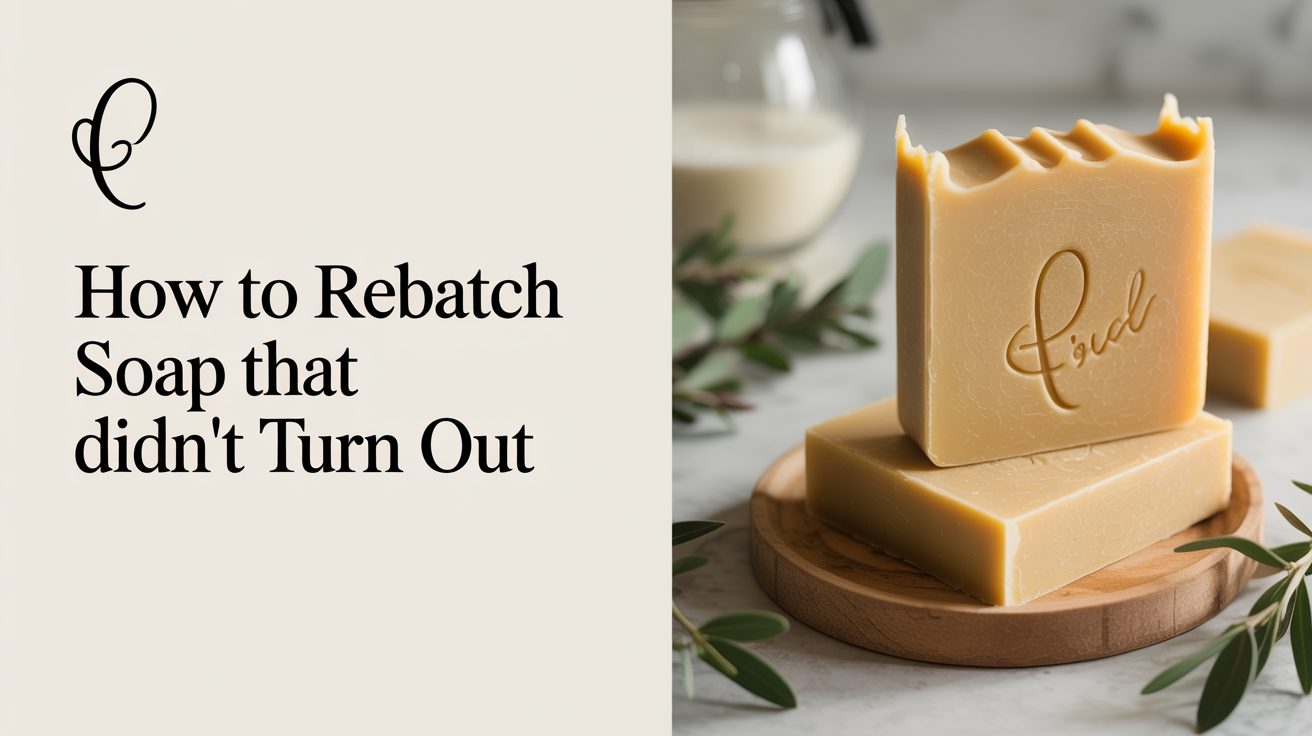
How to Rebatch Soap That Didn't Turn Out
Rebatching soap turns a seized, separated, or crumbly batch into usable bars. Here's how to do it safely, step by step.
July 4, 2026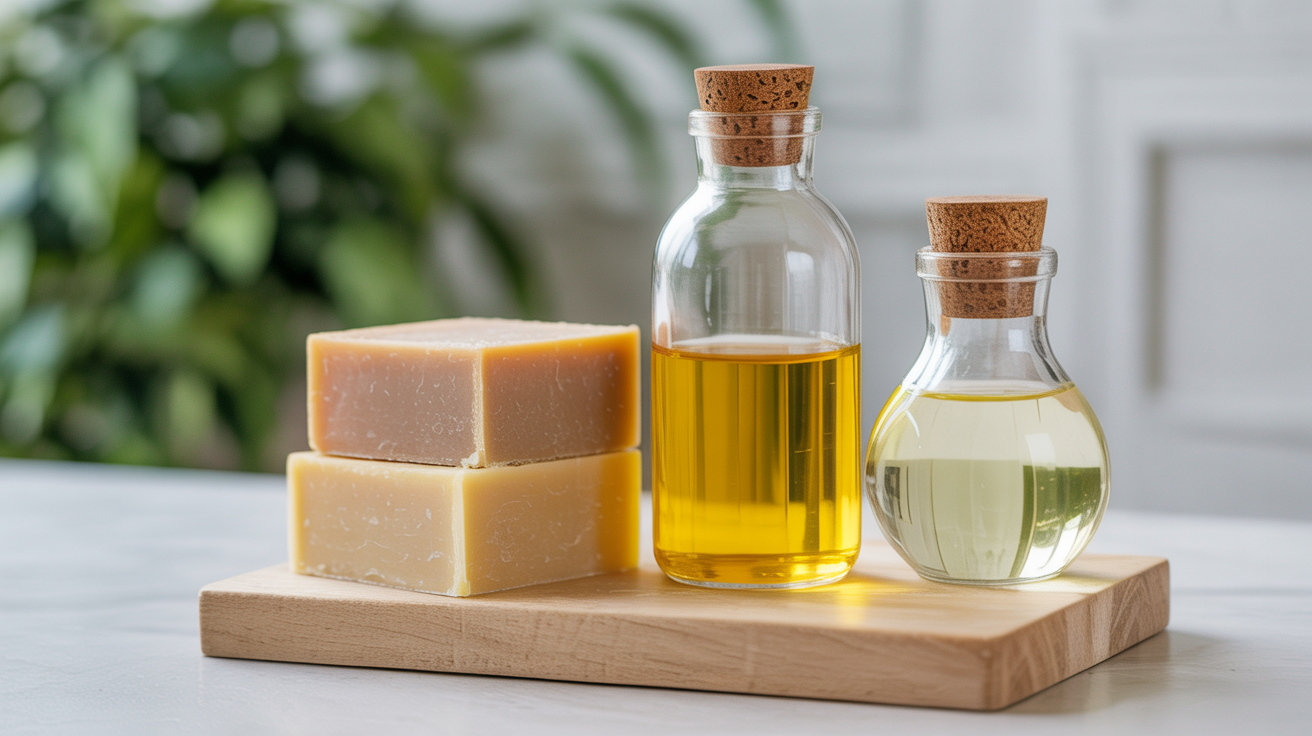
Lye Safety for Soap Making: A Beginner's Guide
Learn how to handle lye safely in soap making. Protective gear, the add-lye-to-water rule, ventilation tips, and what to do if lye contacts skin or eyes.
July 4, 2026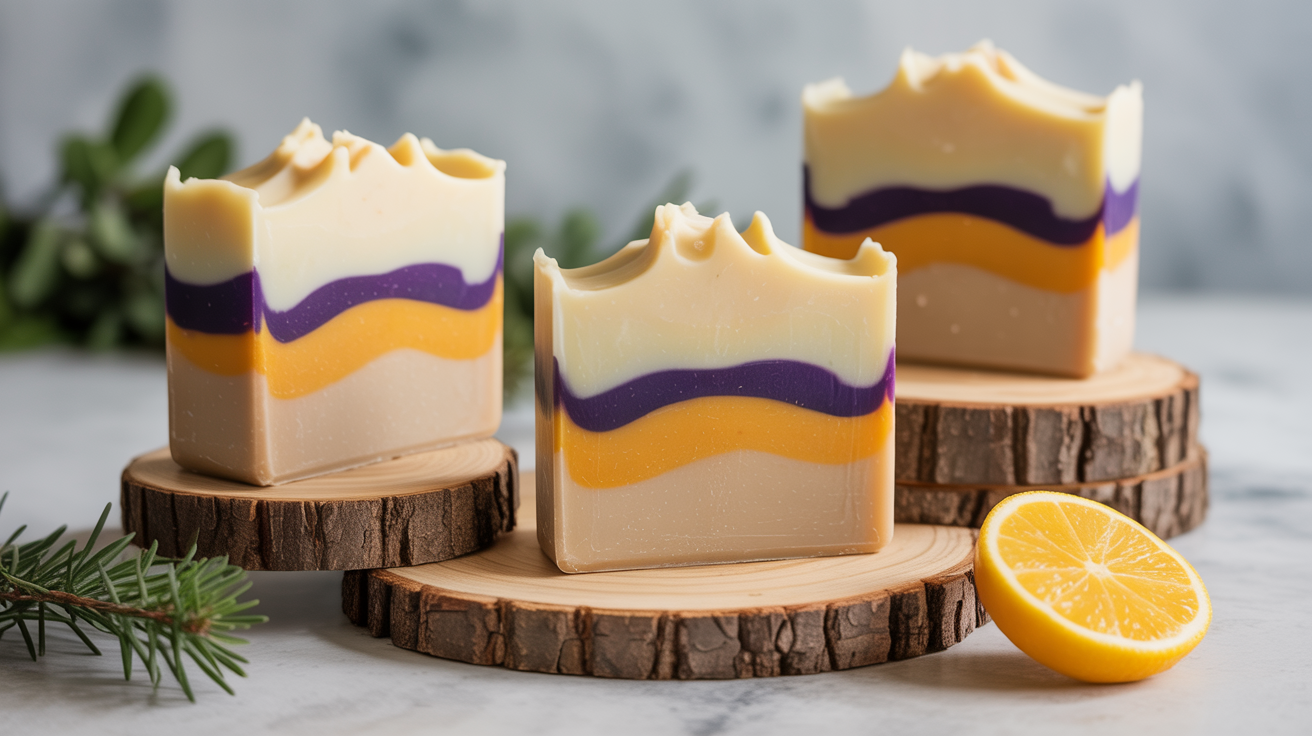
How to Layer and Top Soap for a Beautiful Bar
Learn soap layering and tops for cold process bars: timing your pours, decorating with swirls and peaks, and choosing colorants that stay true after cure.
July 3, 2026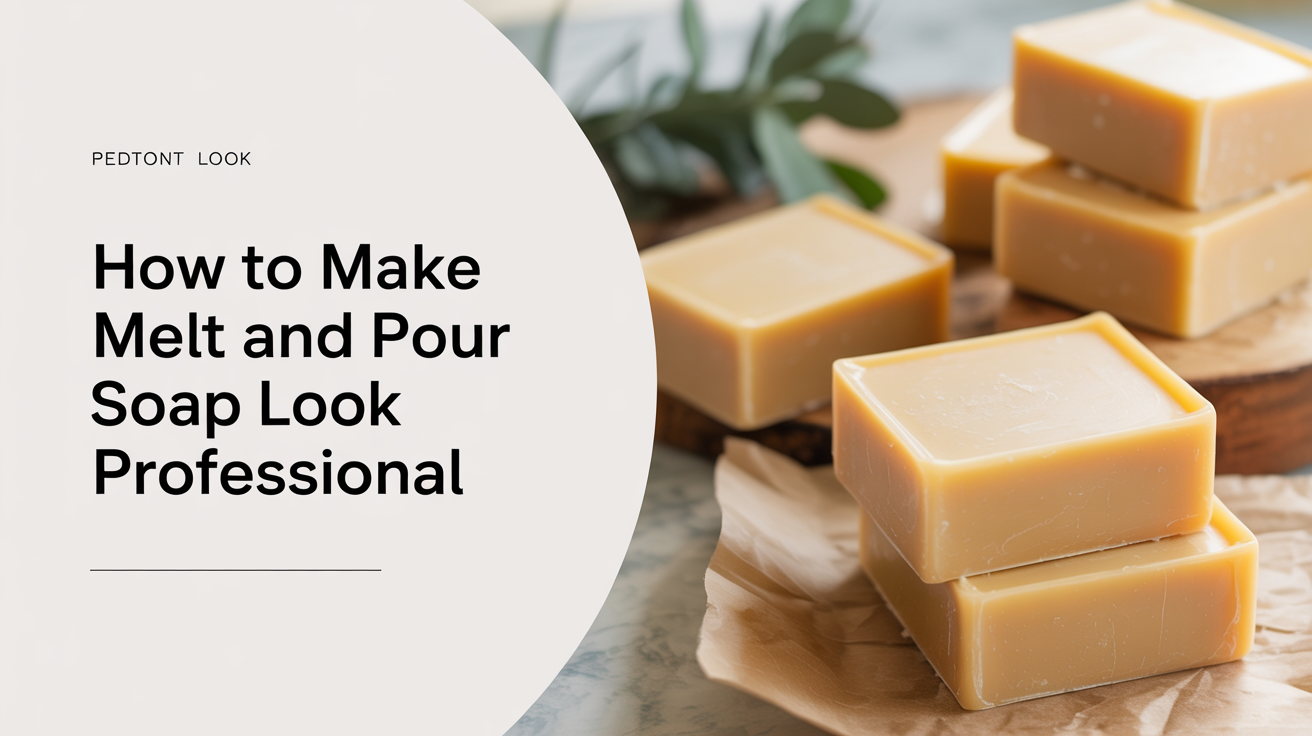
How to Make Melt and Pour Soap Look Professional
Simple, practical tips for getting smooth, glossy, bubble-free melt and pour soap bars that look like they came from a boutique.
July 3, 2026
Fragrance Oils vs. Essential Oils in Soap
A practical guide for beginners on choosing between fragrance oils and essential oils for soap, covering safety, performance, cost, and usage rates.
July 2, 2026
How to Adapt and Resize a Soap Recipe
Learn how to resize a soap recipe safely: scale your oils by batch size, adjust fragrance and water, and always recalculate lye in a lye calculator.
July 2, 2026
10 Beginner Soap Making Mistakes (and How to Avoid Them)
New to soap making? Here are 10 common beginner mistakes, from skipping the lye calculator to cutting bars too soon, and how to sidestep each one.
July 1, 2026
Hot Process vs. Cold Process Soap: What's the Difference?
Hot process and cold process soap both use lye. Here's how the two methods differ, which one suits beginners, and what to expect from each batch.
July 1, 2026
The Best Oils for Soap Making (and What Each One Does)
A beginner's guide to soap making oils: what each one contributes, typical usage percentages, and how to balance a recipe from scratch.
June 30, 2026
Which Essential Oils Survive in Cold Process Soap?
Not all essential oils hold up through saponification. Learn which ones last, which ones fade, and how to use them at the right rates.
June 30, 2026
Is My Homemade Soap Safe to Use? The Zap Test and pH
Learn how to tell if your homemade soap is safe with the zap test and pH strips, and what lye-heavy soap looks and feels like.
June 29, 2026
How to Add Layers and Embeds to Melt and Pour Soap
Learn how to make layered melt and pour soap and add embeds for professional-looking bars. Step-by-step guide for beginners with temperatures and tips.
June 28, 2026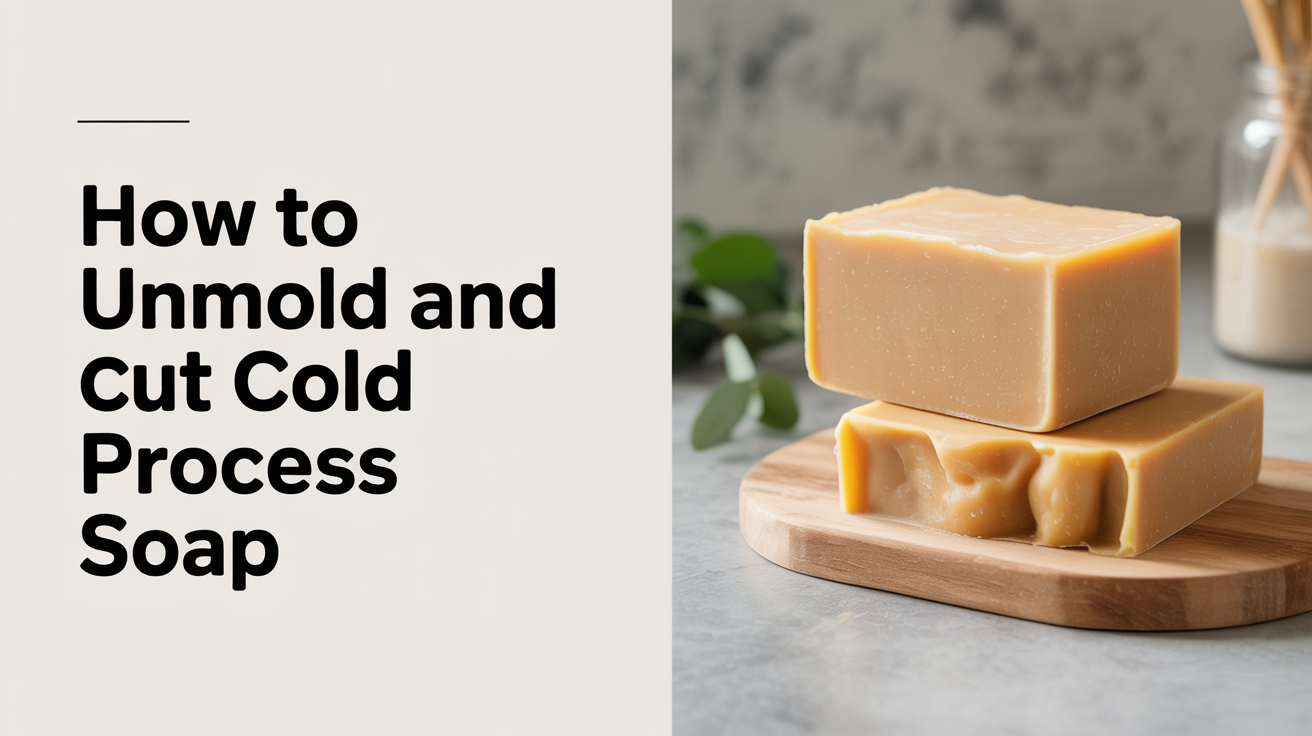
How to Unmold and Cut Cold Process Soap
Learn when to unmold cold process soap, how to get bars out cleanly, and how to cut them evenly. Includes timing cues, tool tips, and safety notes.
June 28, 2026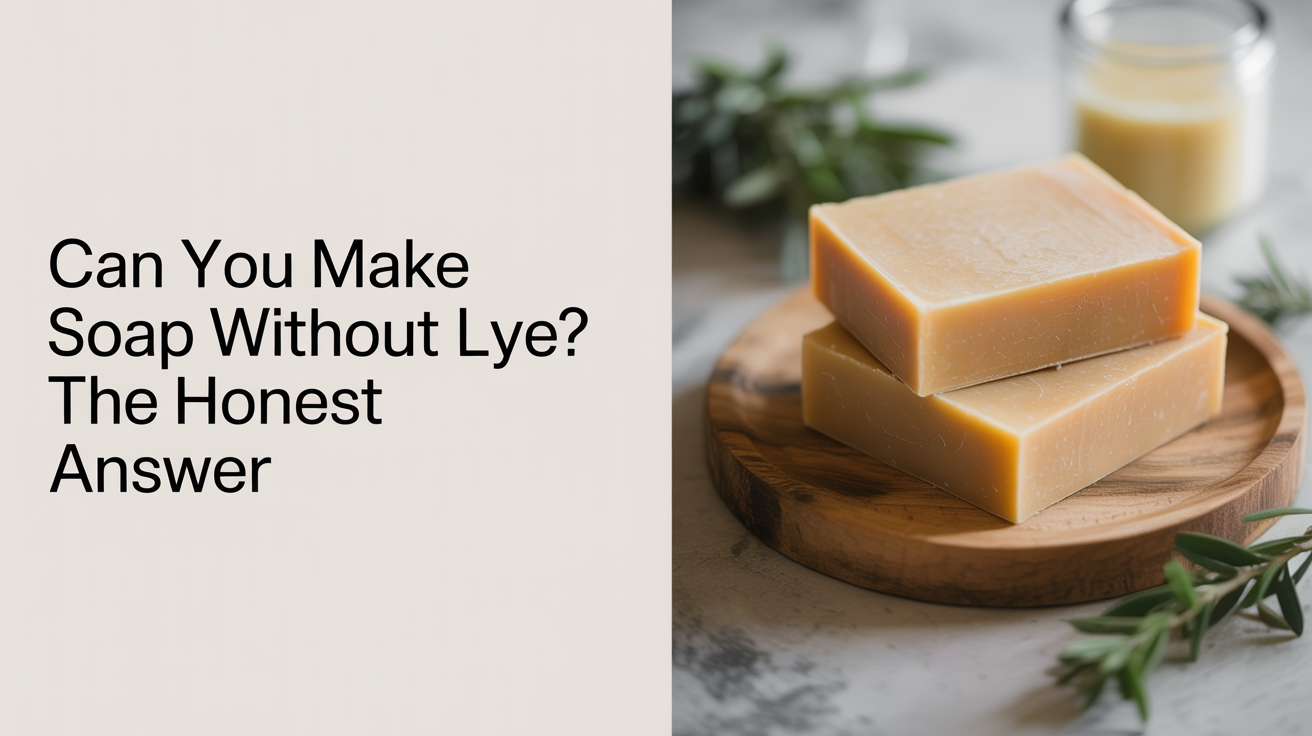
Can You Make Soap Without Lye? The Honest Answer
Can you make soap without lye? The short answer is no — but there's a beginner-friendly path that skips handling raw lye entirely. Here's what to know.
June 27, 2026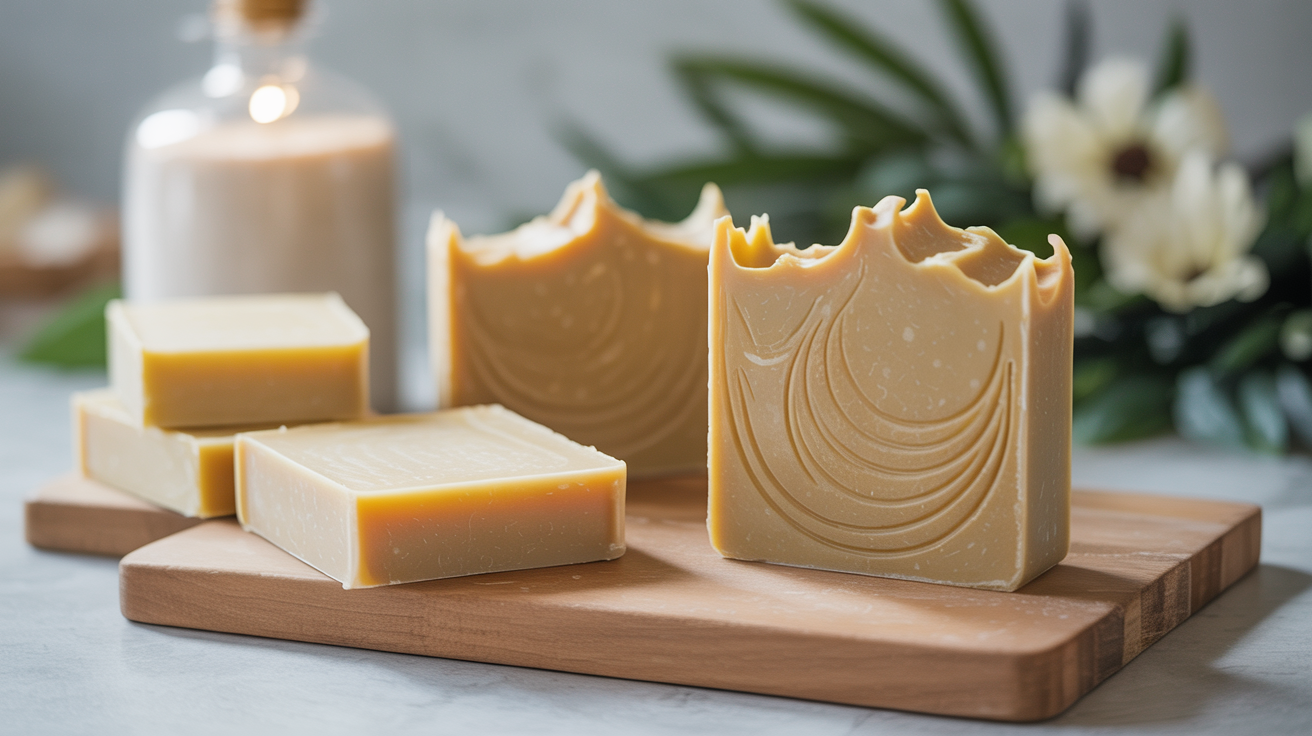
How to Make Cold Process Soap: A Beginner's Step-by-Step Guide
Learn how to make cold process soap from scratch with this beginner-friendly guide covering lye safety, equipment, a simple recipe, and curing basics.
June 27, 2026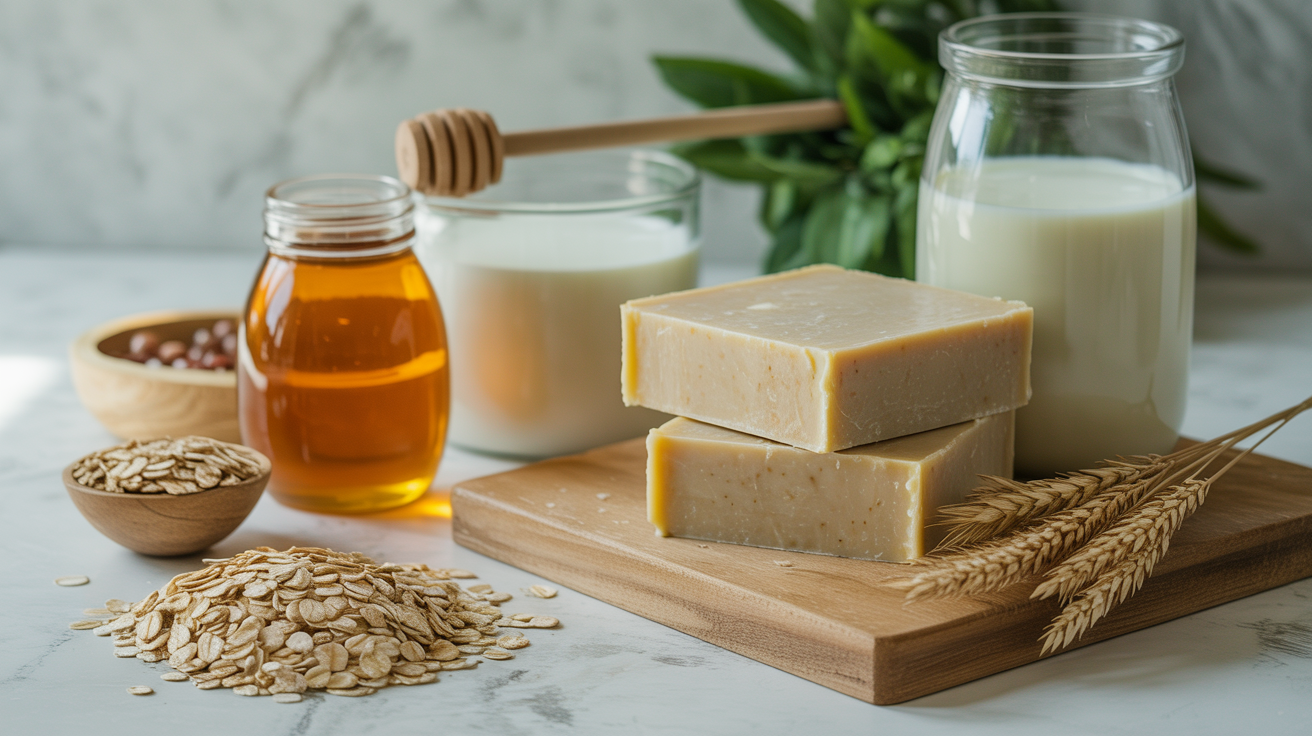
Adding Milk, Honey, and Oatmeal to Soap
Learn how to add milk, honey, and oatmeal to cold-process soap safely. Tips on freezing milk, working with honey, and dispersing oats for a gentler bar.
June 26, 2026
Why Did My Soap Fragrance Fade or Change?
Soap fragrance fading is one of the most common beginner frustrations. Learn why scent disappears and how to make it stick in cold-process soap.
June 26, 2026
How to Make Melt and Pour Soap: A Step-by-Step Guide
Learn how to make melt and pour soap from scratch with this beginner-friendly guide. No lye handling required — just melt, color, scent, pour, and unmold.
June 25, 2026
What Is Saponification? Soap Science for Beginners
Learn what saponification means, how lye turns oils into real soap, and why understanding the chemistry makes you a safer, more confident soap maker.
June 25, 2026
How to Make Castile Soap (100% Olive Oil)
Learn how to make castile soap with a simple 100% olive oil recipe. Beginner-friendly cold process guide with lye safety, step-by-step instructions, and cure...
June 24, 2026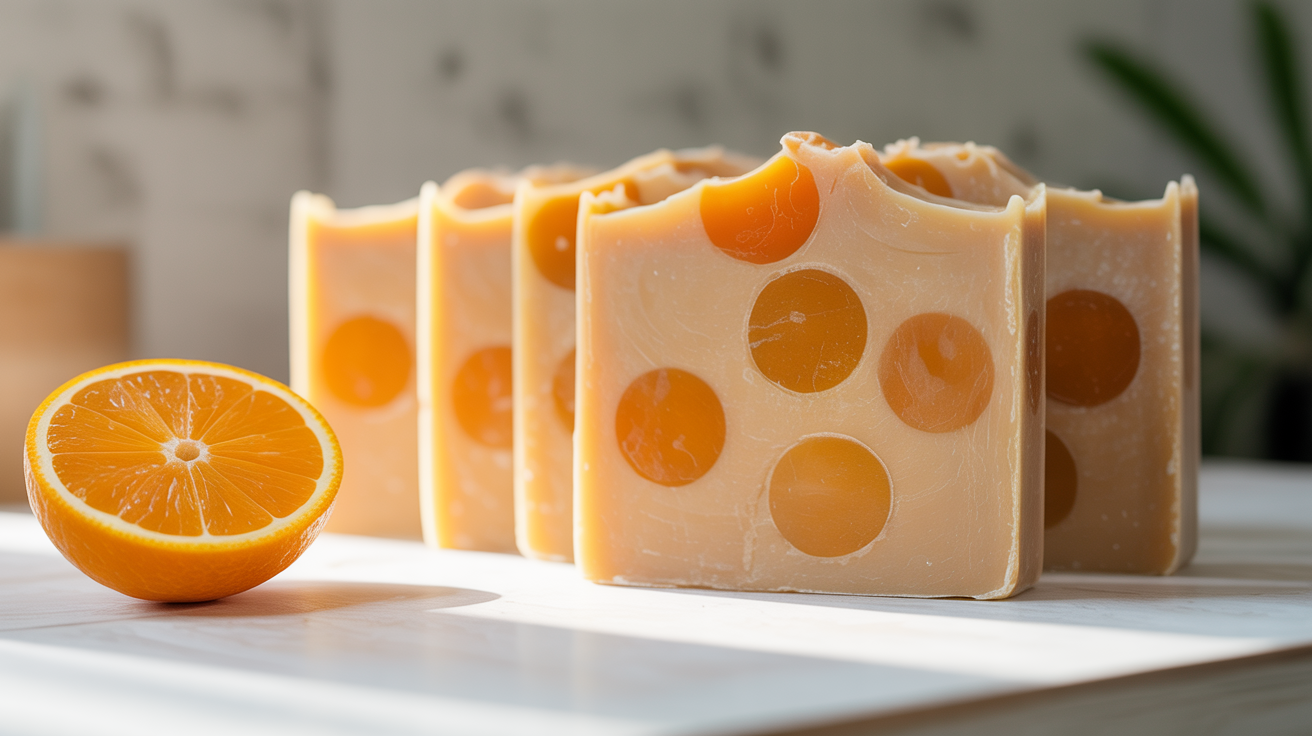
What Are DOS (Dreaded Orange Spots) on Soap?
DOS (dreaded orange spots) are rancid patches on cured soap bars. Learn what causes them, which oils trigger them, and how to prevent them.
June 24, 2026
Gel Phase in Cold Process Soap: What It Is and How to Control It
Learn what gel phase is in cold process soap, how it affects your finished bar, and how to force or prevent it depending on your goals.
June 23, 2026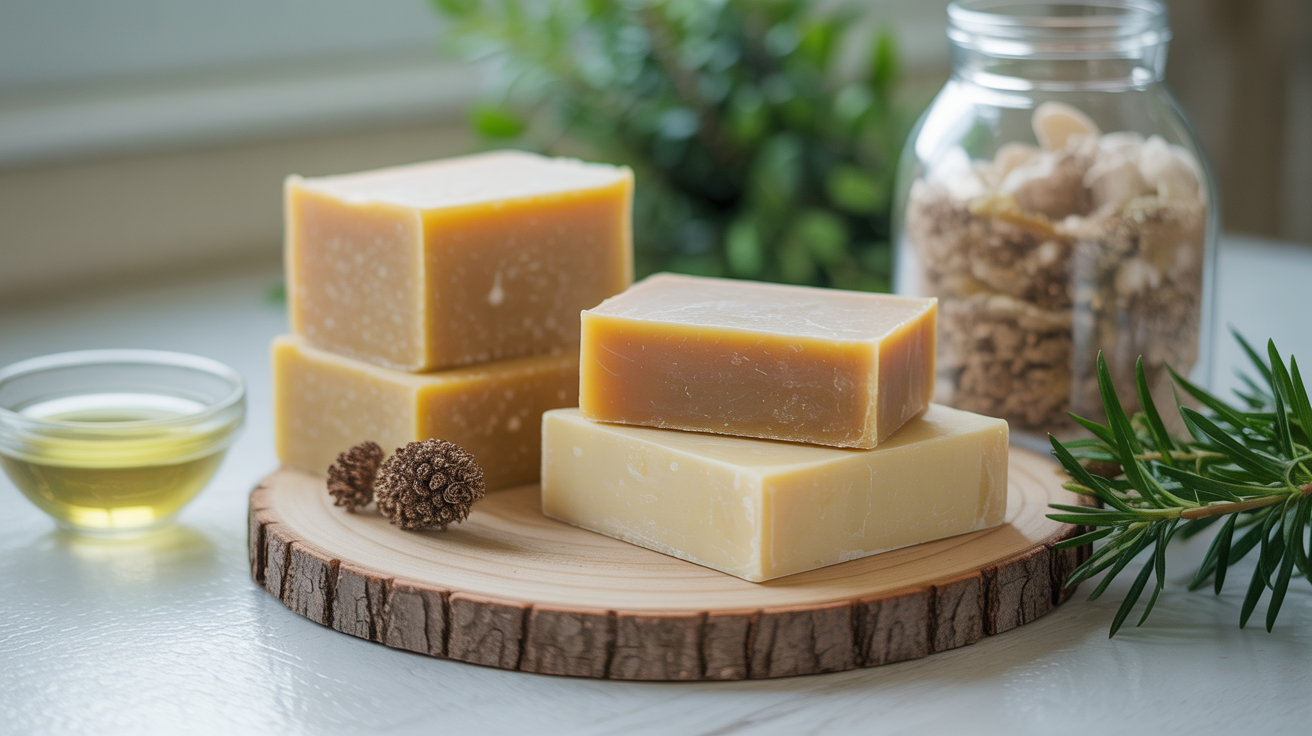
How to Make Soap at Home: A Complete Beginner's Guide
Learn how to make soap at home with this calm, practical guide for beginners. Covers melt-and-pour, cold process, lye safety, supplies, and curing.
June 23, 2026
Easy Melt and Pour Soap Projects to Try First
Discover the best melt and pour soap ideas for beginners, from simple layered bars to swirled designs, with tips on bases, fragrance, and color.
June 22, 2026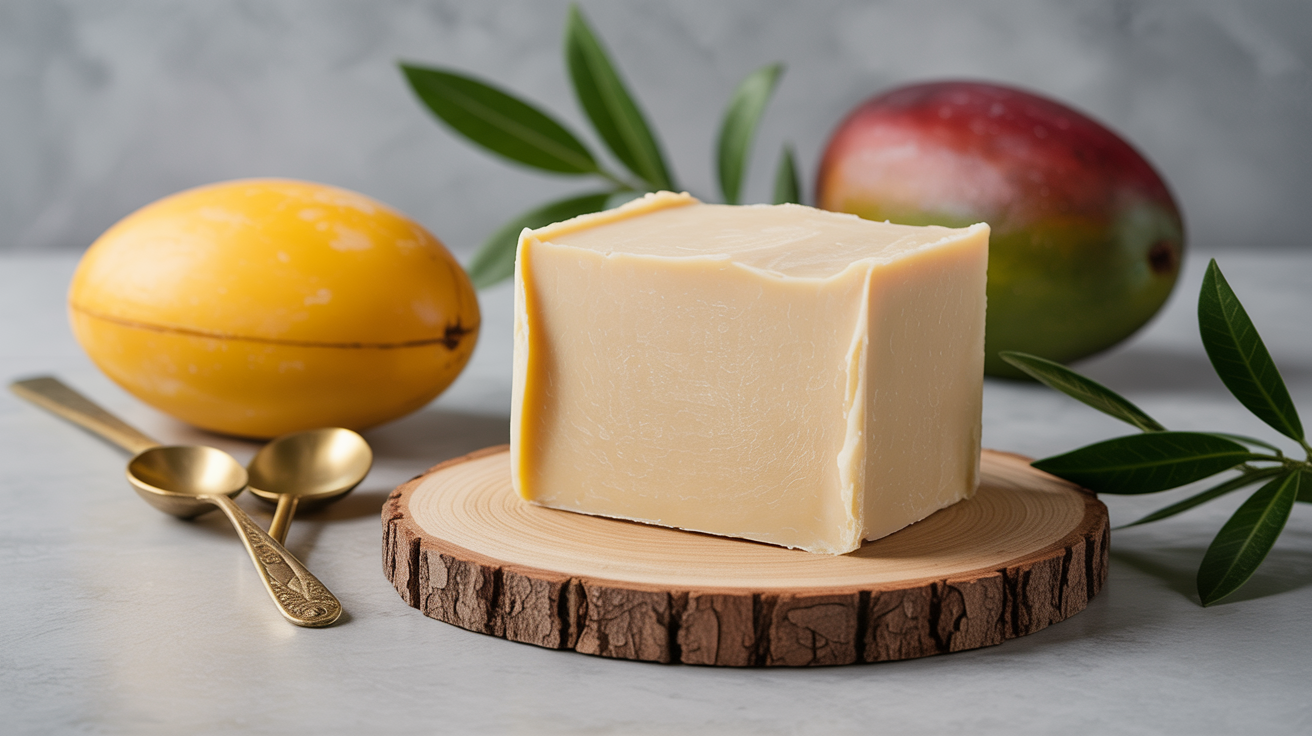
How to Use Hard Butters in Soap: Shea, Cocoa, and Mango
Learn how to use shea, cocoa, and mango butter in cold process soap, including safe usage rates, what each butter contributes, and how to avoid common issues.
June 21, 2026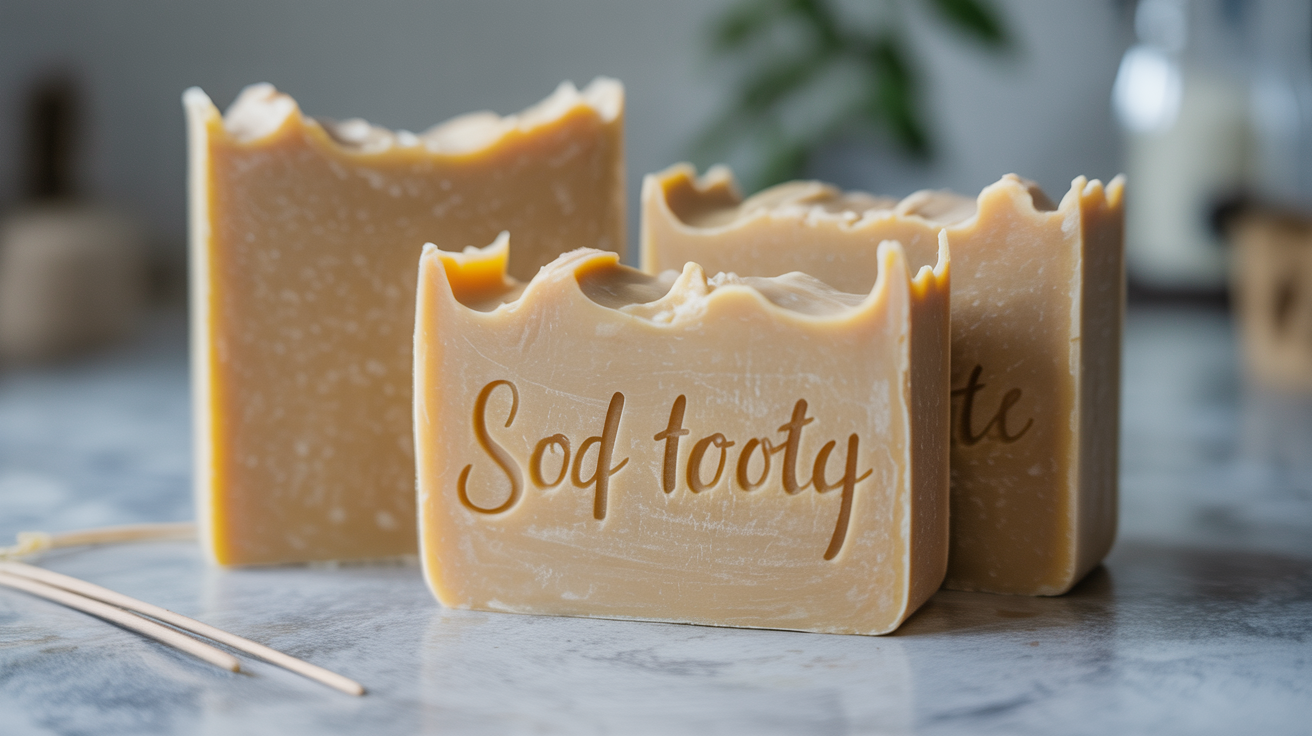
Why Is My Cold Process Soap Soft or Not Hardening?
Cold process soap not hardening? Here are the most common reasons (water amount, oil choice, cure time) and how to fix or prevent soft bars.
June 21, 2026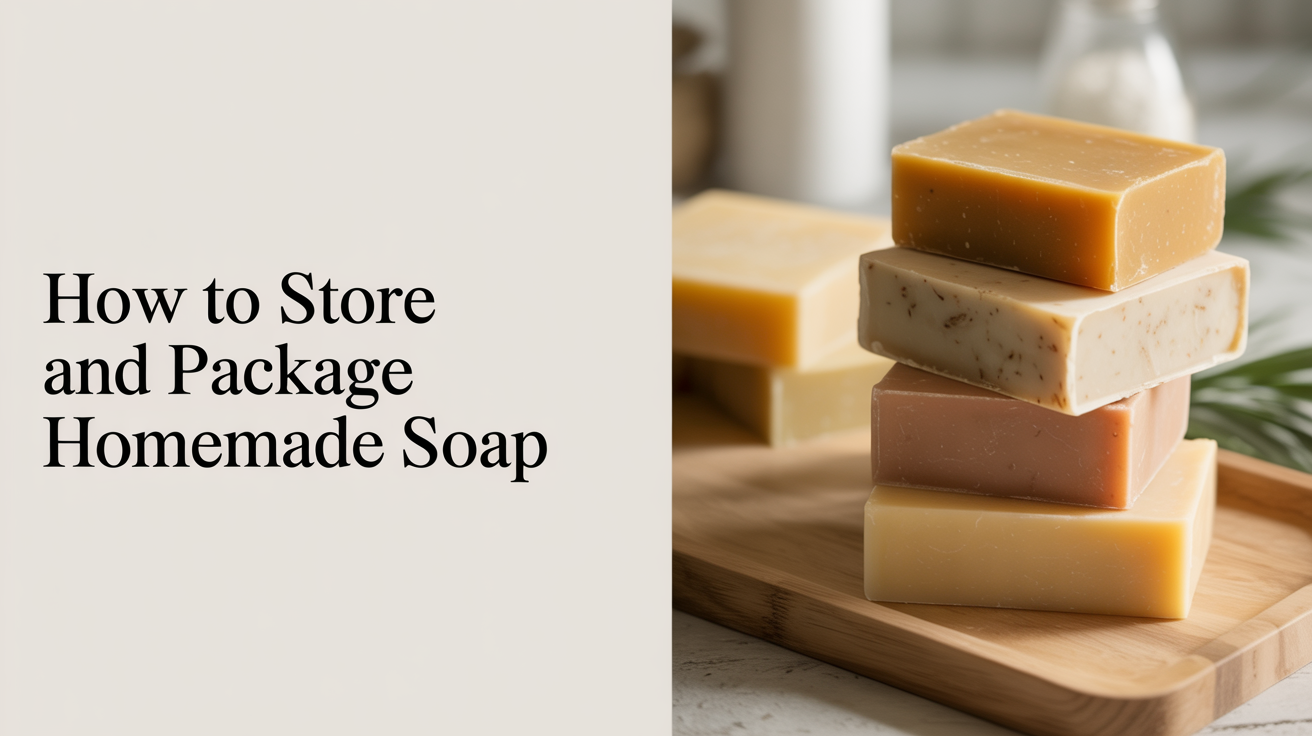
How to Store and Package Homemade Soap
Learn how to store homemade soap so bars stay hard, fragrant, and long-lasting. Covers airflow, humidity, wrapping, and gift packaging tips.
June 20, 2026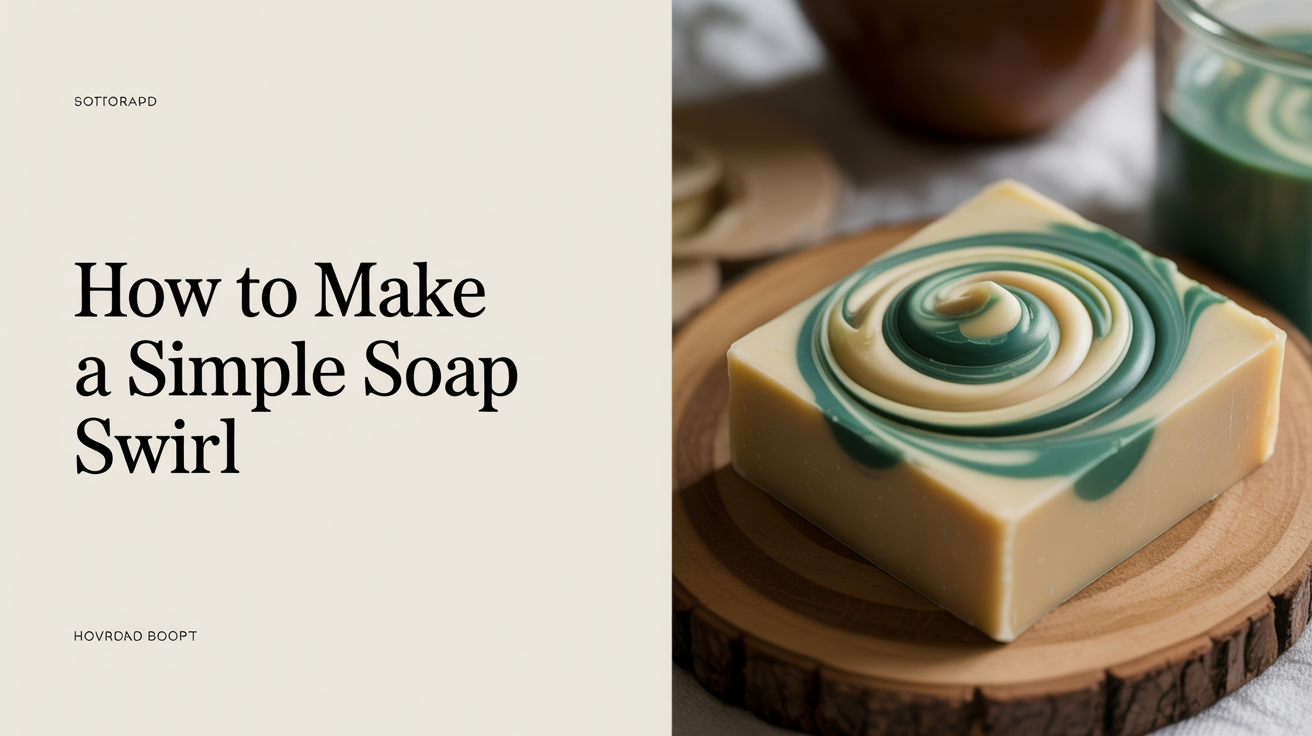
How to Make a Simple Soap Swirl
Learn how to swirl cold process soap like a pro. This beginner guide covers in-the-pot swirls, colorant prep, and tips for clean, repeatable results.
June 19, 2026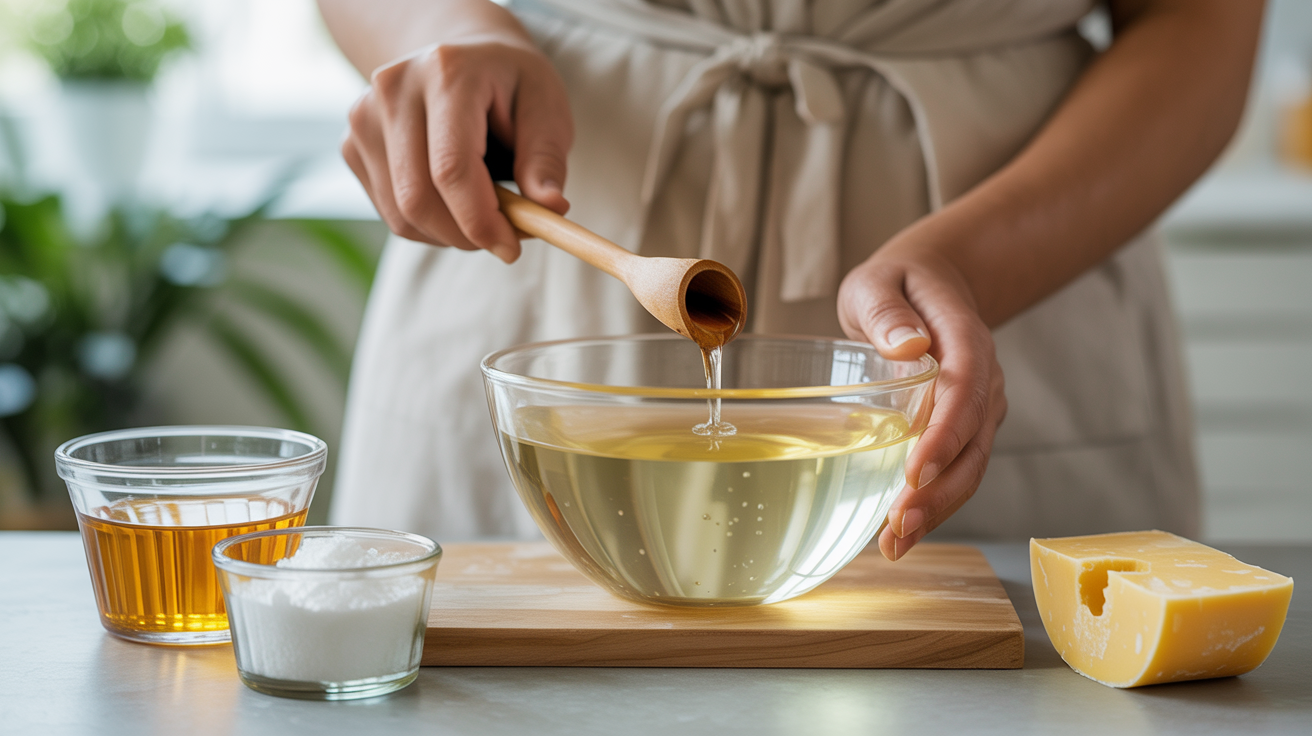
How to Mix Lye Solution Safely
Learn how to mix lye for soap the safe way: gear up, add lye to water, manage the heat, and understand lye-to-water ratios for cold process soap.
June 19, 2026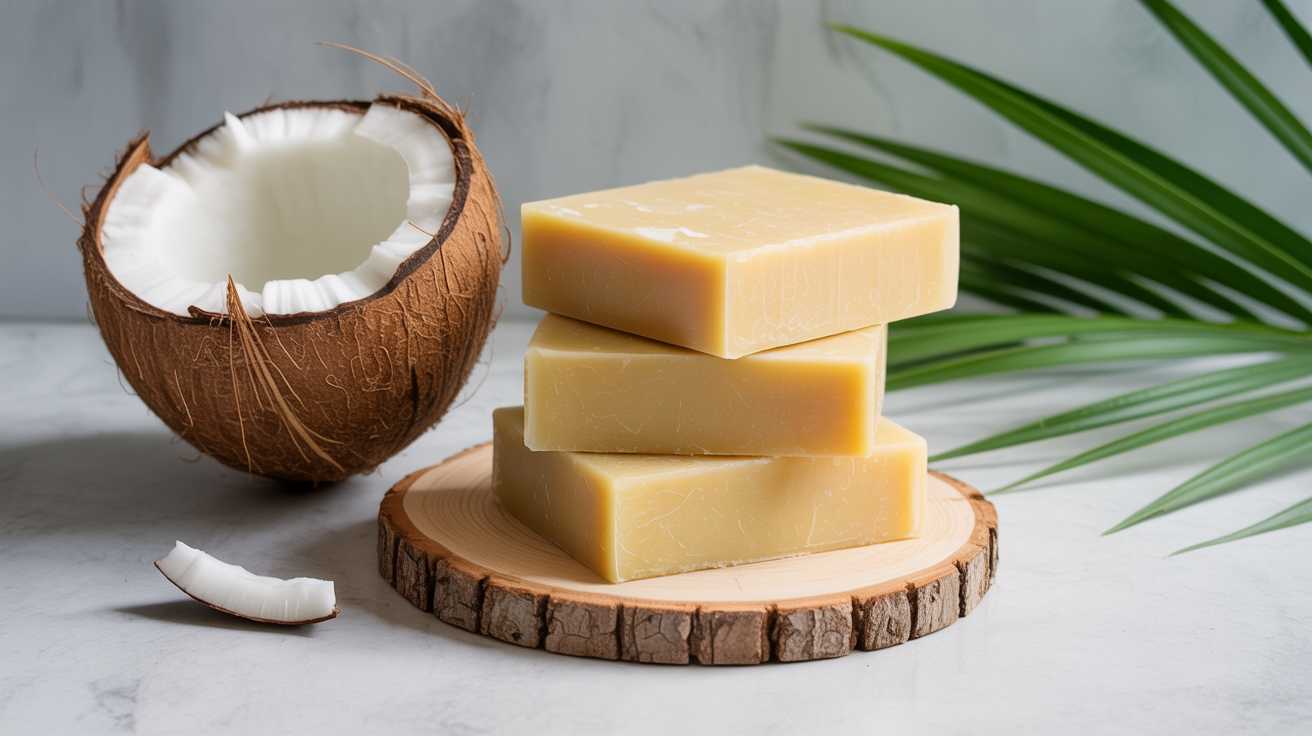
Coconut Oil, Olive Oil, and Palm: The Beginner Soap Trio
Learn how coconut oil, olive oil, and palm work together in a beginner soap recipe. Includes percentages, lye safety, and FAQ.
June 18, 2026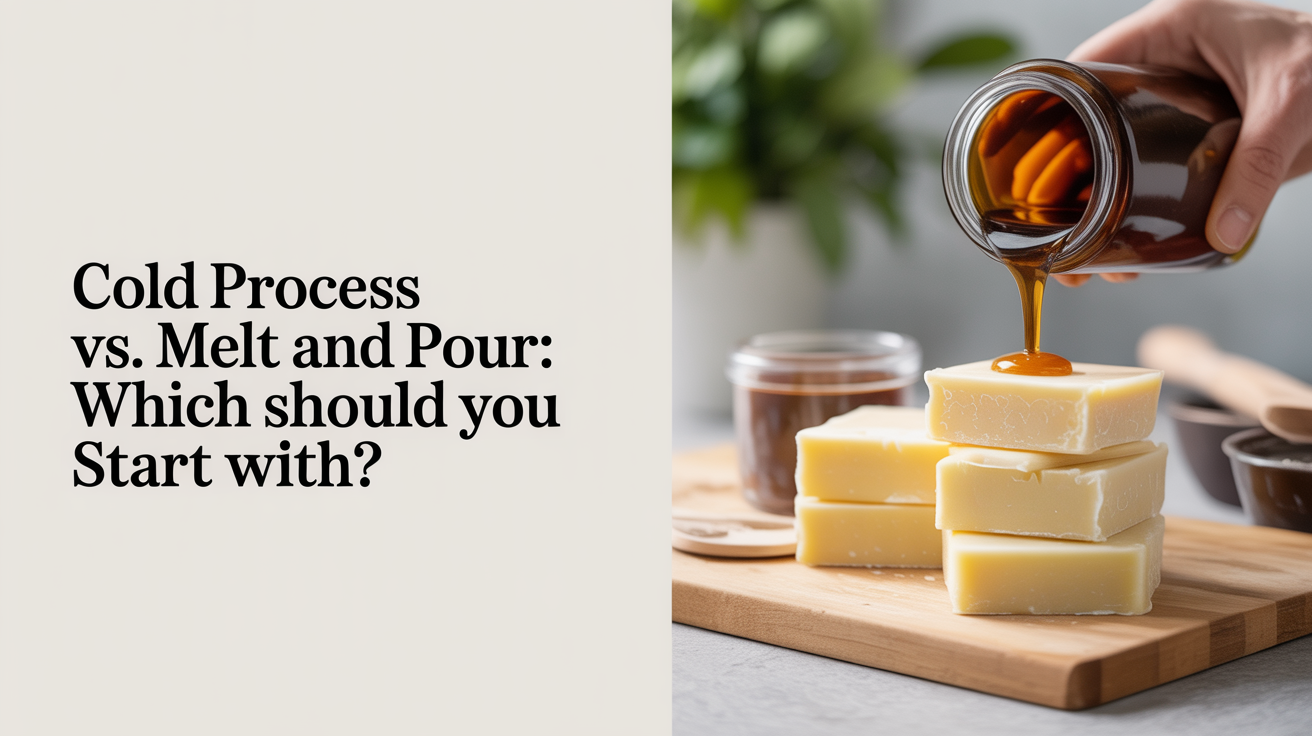
Cold Process vs. Melt and Pour: Which Should You Start With?
Comparing cold process vs melt and pour soap making so beginners can choose the right method. Spoiler: melt and pour is the easier first step.
June 17, 2026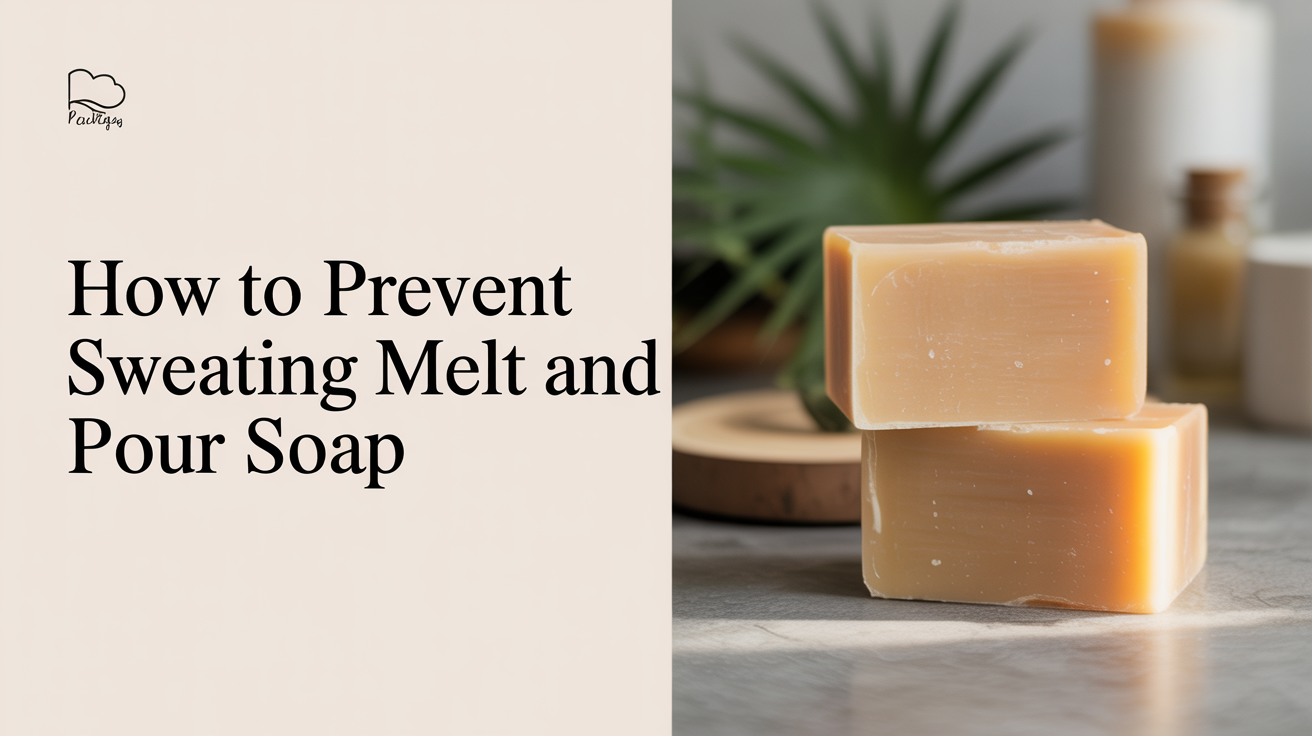
How to Prevent Sweating Melt and Pour Soap
Learn why melt and pour soap sweating happens, how to prevent glycerin dew, and what to do if your bars are already beading with moisture.
June 17, 2026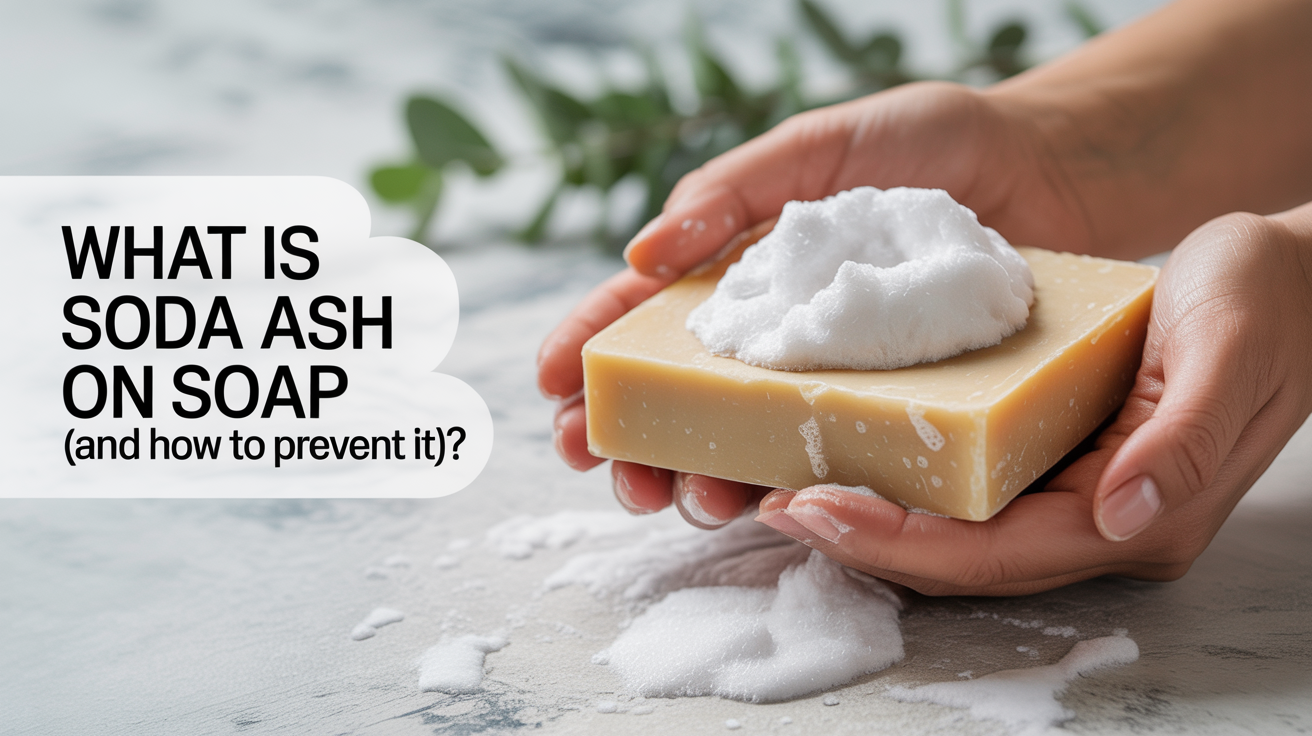
What Is Soda Ash on Soap (and How to Prevent It)?
Soda ash is a harmless white powder that forms on handmade soap. Learn what causes it, how to prevent it with simple steps, and how to remove it easily.
June 16, 2026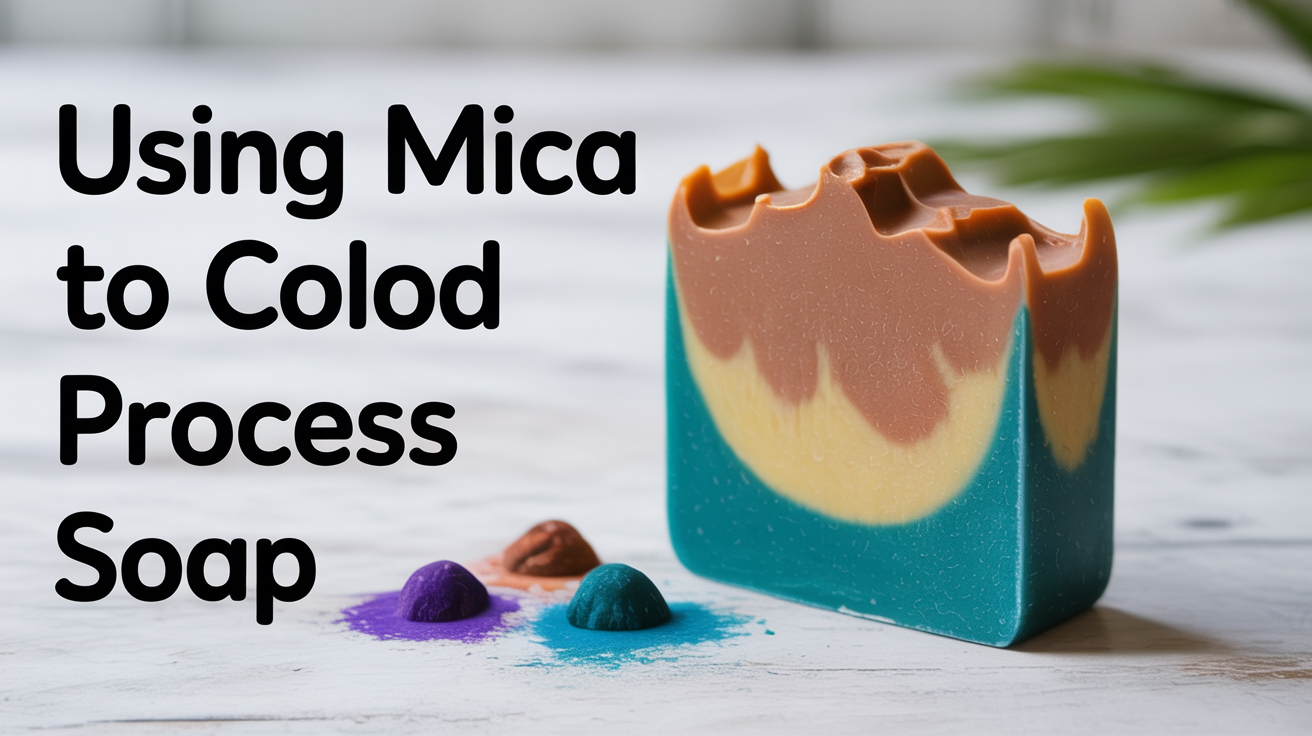
Using Mica to Color Cold Process Soap
Learn how to use mica in cold process soap safely: choosing CP-stable pigments, dispersing in oil, usage rates, and techniques for swirls and painted tops.
June 15, 2026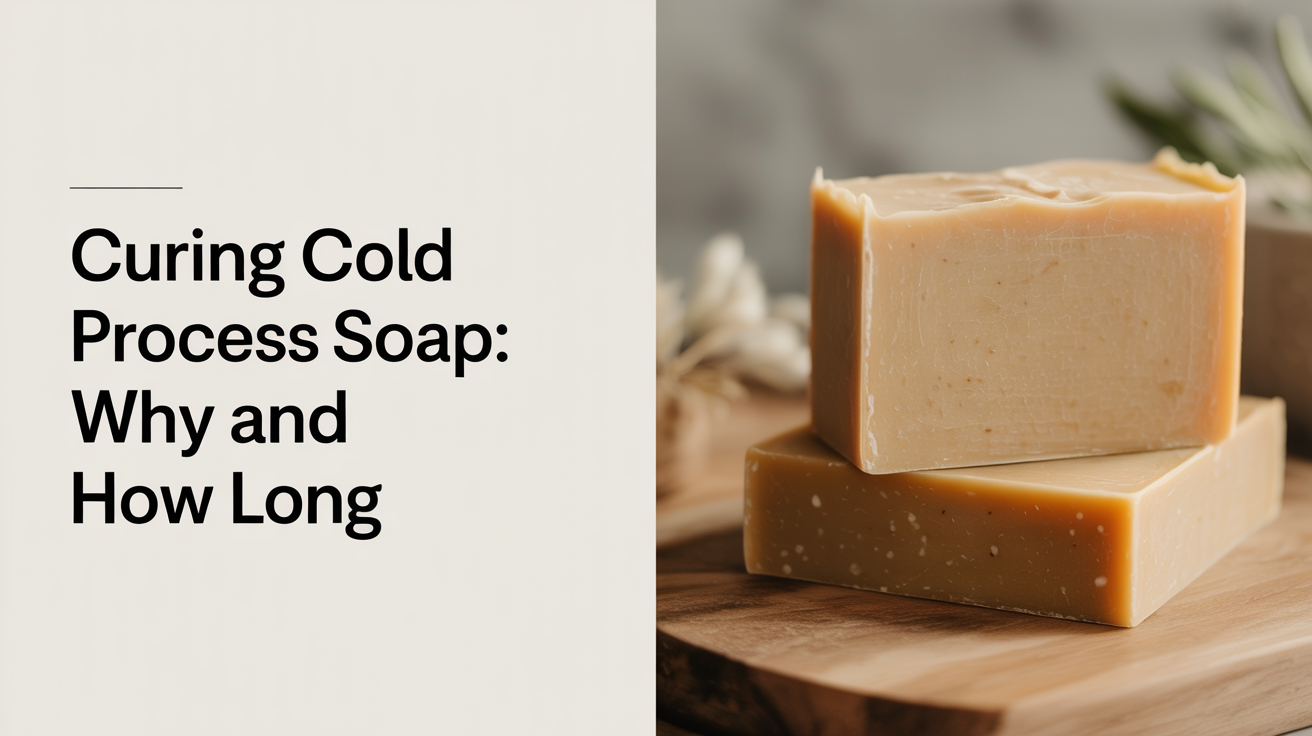
Curing Cold Process Soap: Why and How Long
Learn how to cure cold process soap properly: why 4–6 weeks matters, what happens during curing, and how to set up your rack for the best bars.
June 14, 2026
How Much Water to Use in Cold Process Soap
Learn how to set the right water amount in cold process soap, understand lye concentration, water discounts, and why distilled water matters for beginners.
June 14, 2026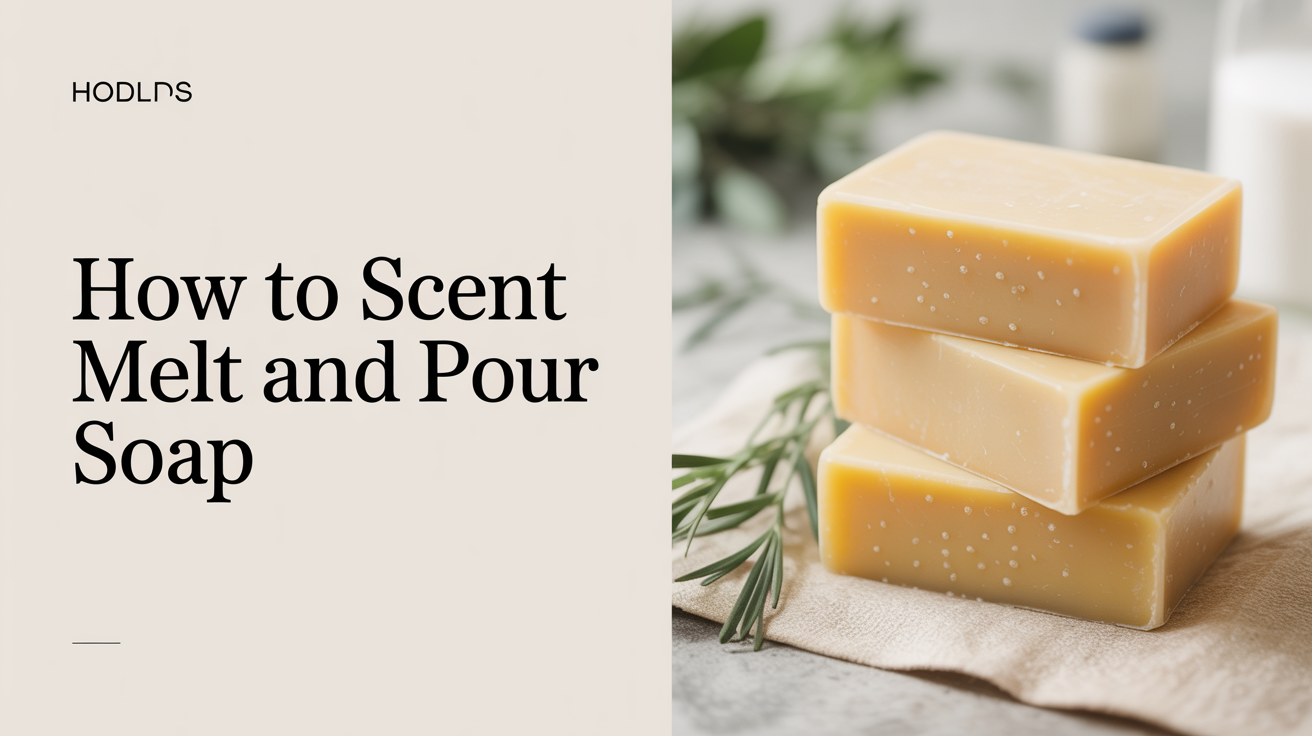
How to Scent Melt and Pour Soap
Learn how to scent melt and pour soap safely: the right temperature, how much fragrance to use, and which oils hold up best in the base.
June 13, 2026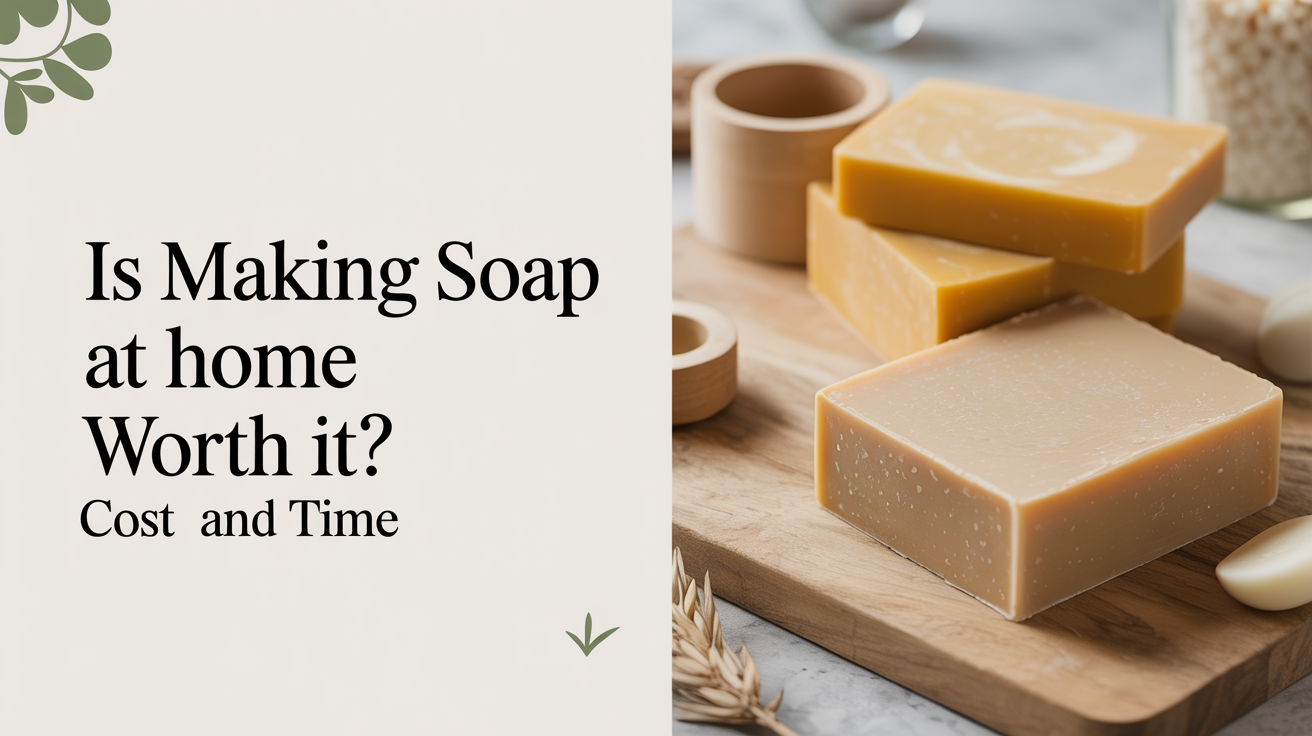
Is Making Soap at Home Worth It? Cost and Time
Honest breakdown of soap making costs, time investment, and real benefits so you can decide if the hobby makes sense for you.
June 12, 2026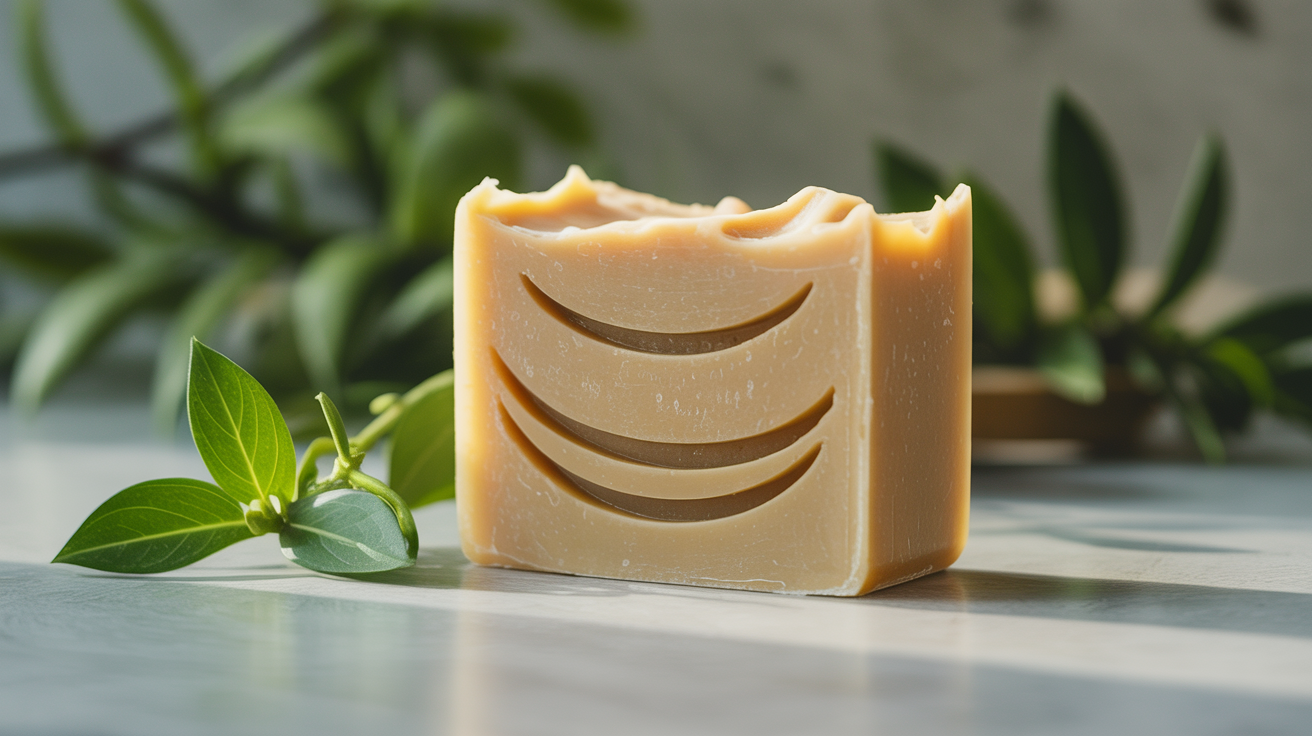
Soap Separated or Has Oil Pockets: What Happened?
Soap separated or has oily pockets? Learn the common causes, why pockets can be dangerous, and how to prevent or rescue your batch.
June 12, 2026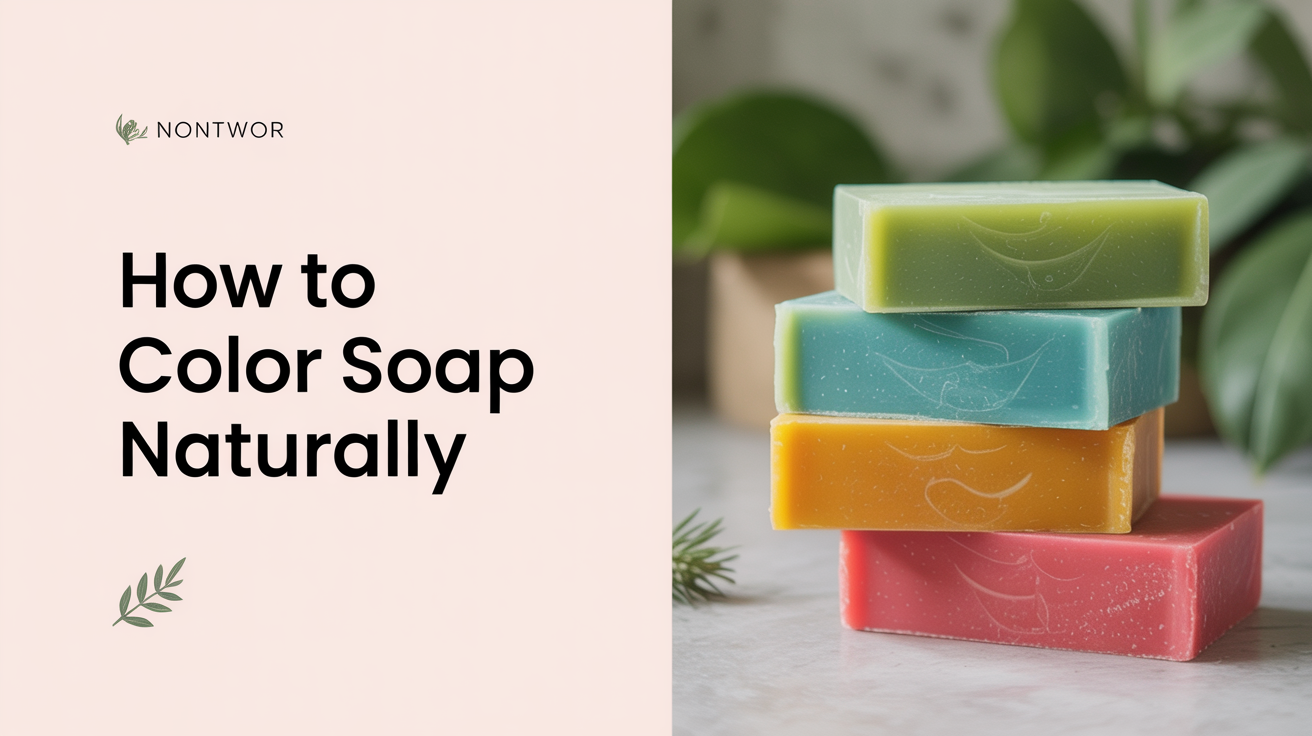
How to Color Soap Naturally
A beginner's guide to coloring cold process soap with clays, plant powders, and other natural colorants — what colors to expect and how to add them.
June 11, 2026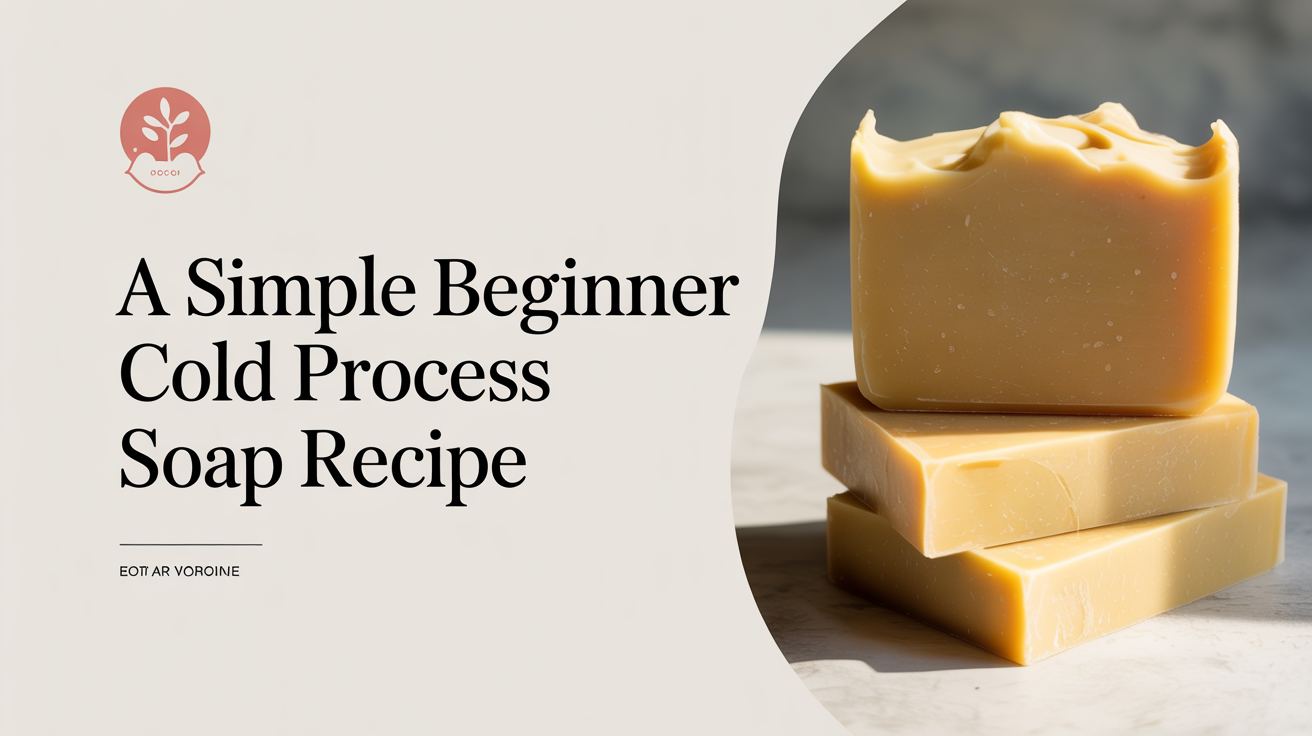
A Simple Beginner Cold Process Soap Recipe
A beginner cold process soap recipe built on three forgiving oils, with safety-first lye guidance and step-by-step instructions for your first bar.
June 10, 2026
How to Use a Lye Calculator for Soap
Learn how to use a lye calculator for soap making step by step. Get accurate NaOH amounts, set superfat, and avoid caustic bars every time.
June 10, 2026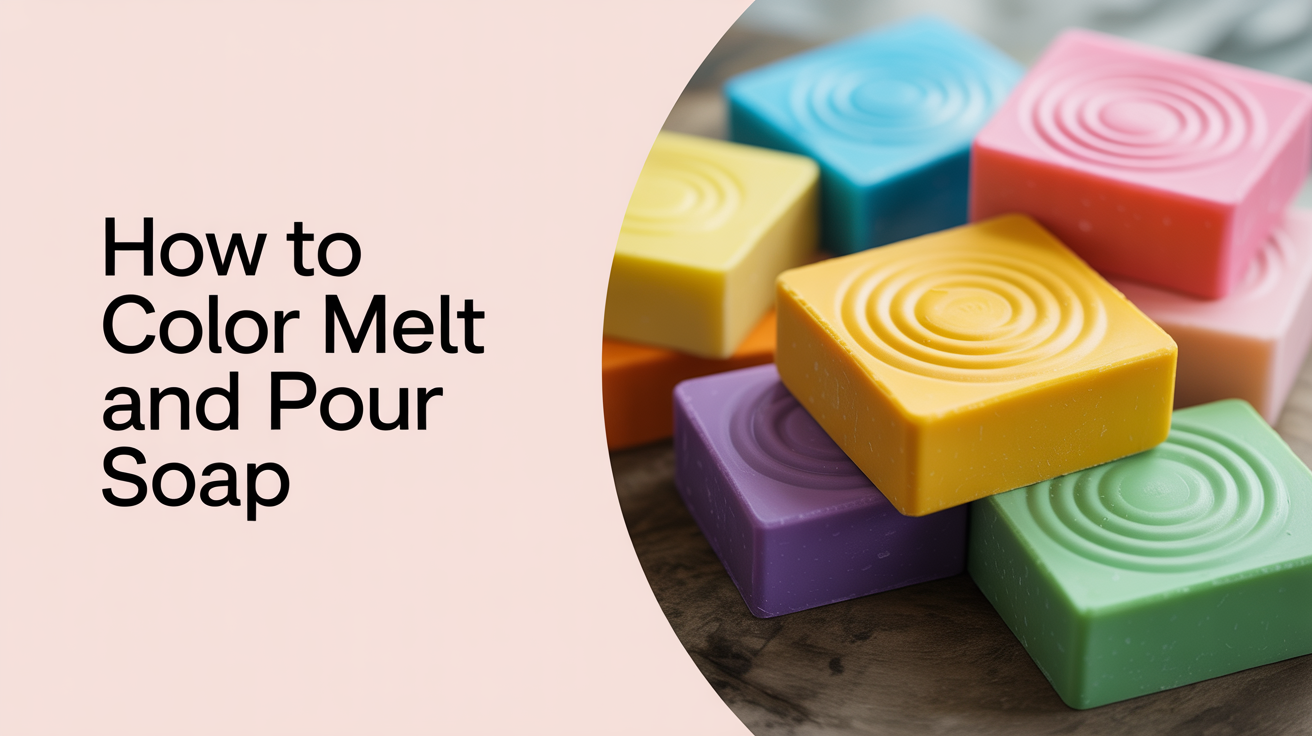
How to Color Melt and Pour Soap
How to color melt and pour soap with micas, dyes, oxides, and natural colorants, plus dispersing color, avoiding bleeding, and getting even results.
June 9, 2026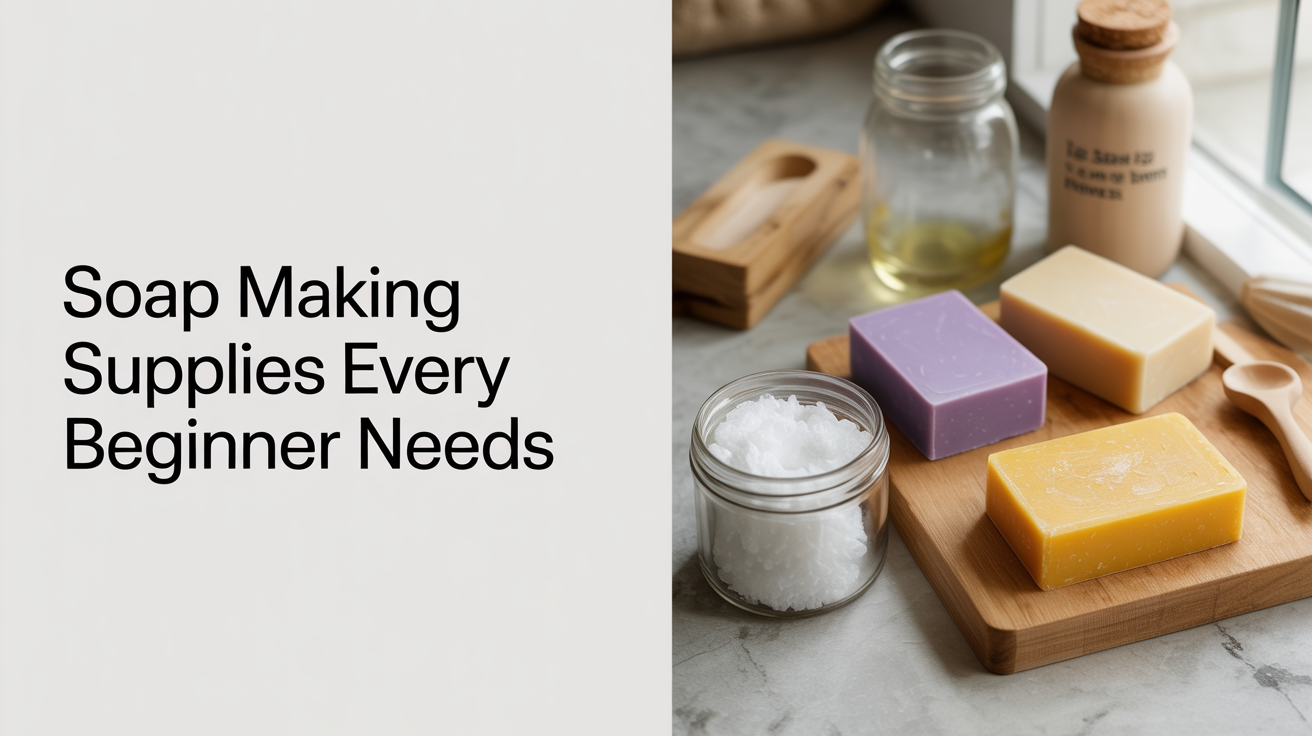
Soap Making Supplies Every Beginner Needs
A complete, brand-neutral checklist of soap making supplies for beginners covering melt-and-pour and cold-process kits, safety gear, and dedicated tools.
June 8, 2026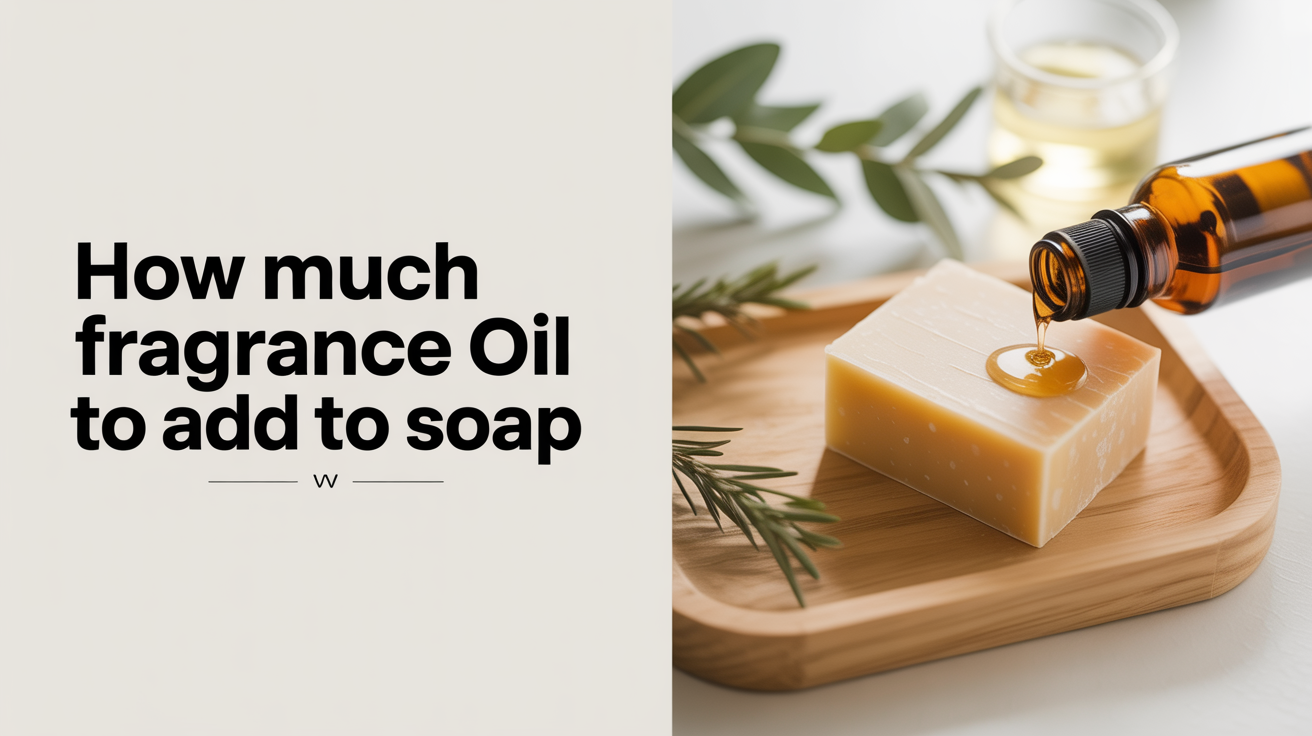
How Much Fragrance to Add to Soap
Learn how much fragrance oil or essential oil to add to soap, why usage rates matter, and how to calculate the right amount for safe, long-lasting scent.
June 7, 2026
Why Did My Soap Seize? Causes and Fixes
Soap batter seized up before you could pour it? Learn the most common causes of soap seizing and how to prevent or rescue a seized batch.
June 7, 2026
What Is Superfat in Soap Making?
Superfat is the percentage of oils left unsaponified in your soap for a gentler, more moisturizing bar. Learn how to set it and why it matters.
June 6, 2026
The Best Melt and Pour Soap Bases for Beginners
A plain-English guide to choosing the best melt and pour soap base for beginners — clear, white, shea butter, goat milk, and more.
June 5, 2026
What Is Trace in Soap Making (and How to Reach It)?
Trace is the moment your soap batter emulsifies and thickens enough to leave a mark on its surface. Learn the stages and how to reach each one safely.
June 5, 2026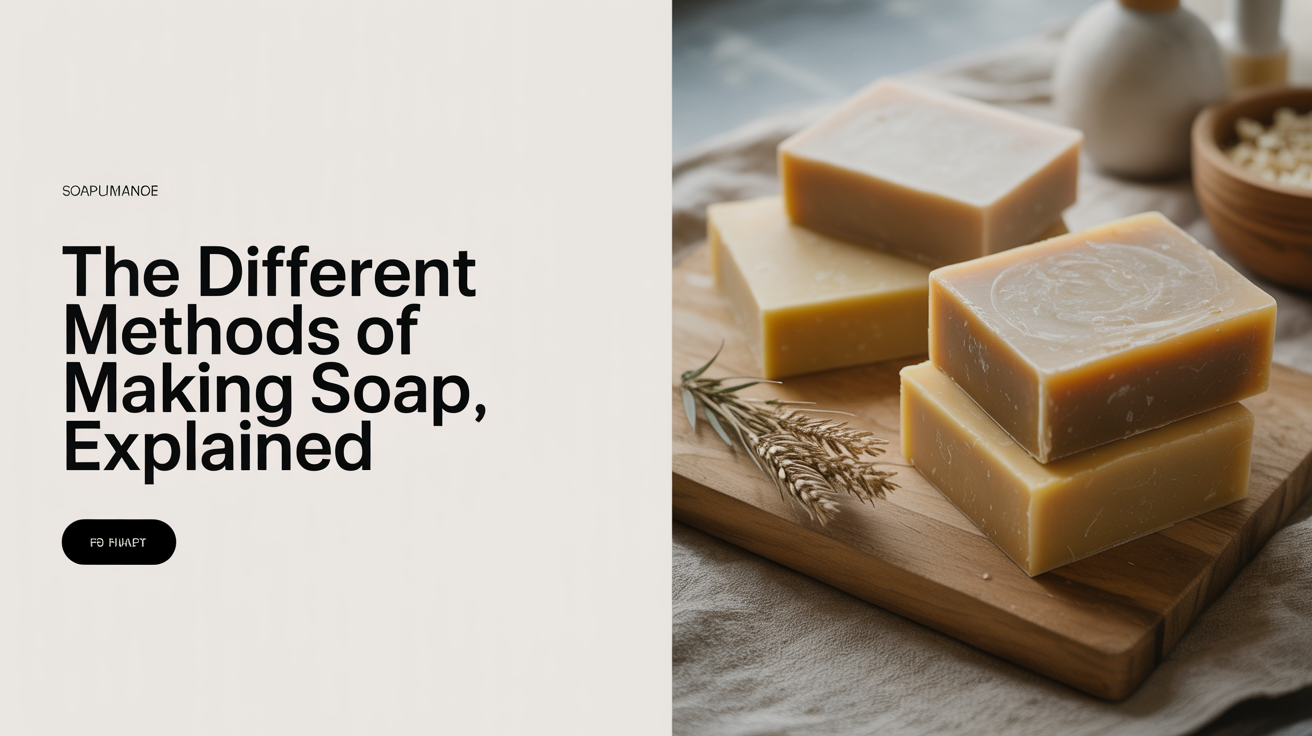
The Different Methods of Making Soap, Explained
A plain-language look at the four soap making methods (melt and pour, cold process, hot process, rebatching) so you can pick your starting point.
June 4, 2026