Cold Process
How to Make Cold Process Soap: A Beginner's Step-by-Step Guide
Learn how to make cold process soap from scratch with this beginner-friendly guide covering lye safety, equipment, a simple recipe, and curing basics.
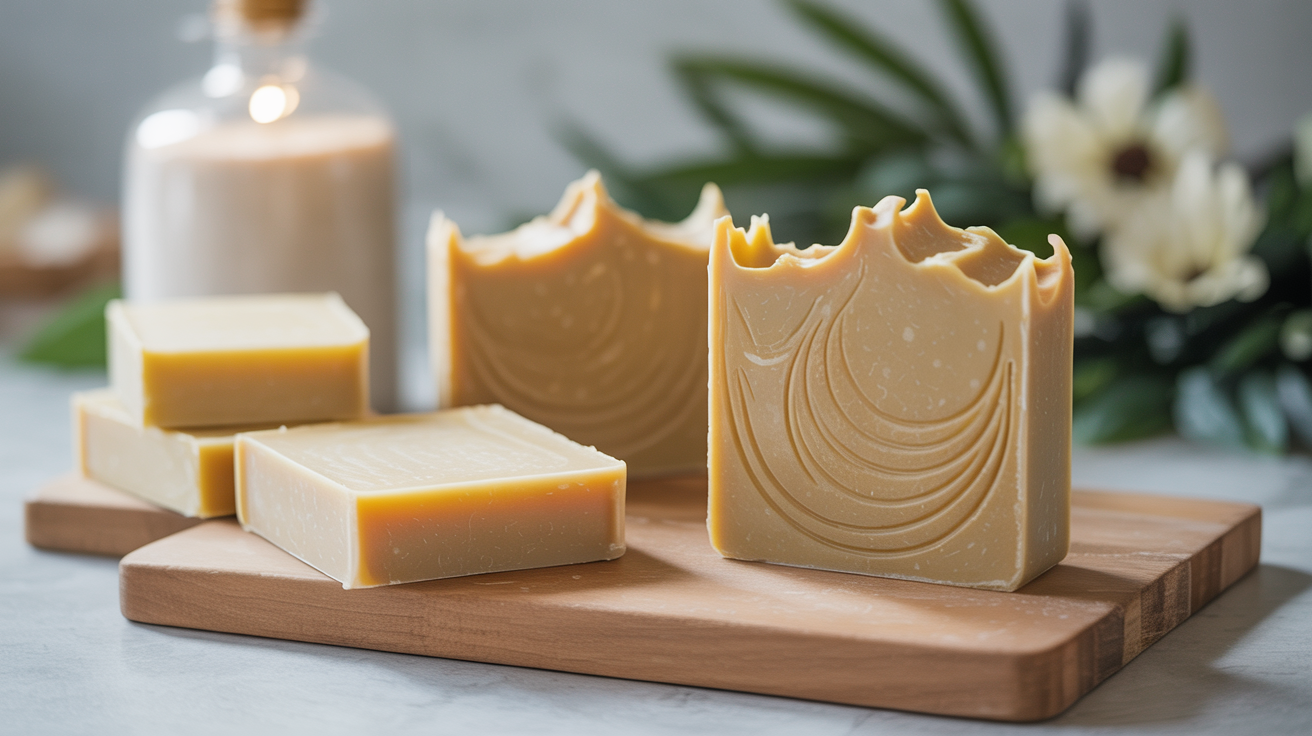
Cold process soap is real soap, made from oils and lye that go through a chemical reaction called saponification. The result is a hard bar with glycerin still locked inside, something you won't find in most commercial soap. The process isn't fast (curing takes 4 to 6 weeks), but the hands-on work takes only an hour or two, and your first batch is a genuine accomplishment.
This guide covers everything a complete beginner needs: safety, gear, a simple beginner recipe, step-by-step method, and what to expect during cure.
Lye Safety: Read This Before You Touch Anything
Lye (sodium hydroxide, NaOH) is the ingredient that makes real soap possible. It also burns skin and eyes on contact, fumes briefly when mixed with water, and can react violently with aluminum. None of that should scare you off, but it does demand respect.
Non-negotiable safety gear:
- Safety goggles (not sunglasses, not reading glasses)
- Nitrile or rubber gloves
- Long sleeves and closed-toe shoes
- Work in a ventilated space: near an open window, or outside
Critical rules:
- Always add lye TO water, never the other way around. Adding water to dry lye can cause a violent splatter.
- The lye-water solution heats up fast (it can reach 200°F / 93°C). Use a heat-safe container.
- Keep lye away from children and pets. Label it clearly and store it in a sealed container.
- If lye contacts skin, rinse immediately with cool running water for 15 to 20 minutes. If it contacts eyes, rinse and seek medical attention.
- Use dedicated soap-making equipment. Never reuse it for food.
- Do not use aluminum bowls, spoons, or pots. Lye reacts with aluminum and releases hydrogen gas.
Keep white vinegar nearby as a surface cleaner (it neutralizes lye splashes on counters), but do not pour it on a skin burn. Water is the right first response on skin.
Equipment You Need
You don't need specialty soap supplies to get started. Most of this is available at kitchen or hardware stores.
For measuring and mixing:
- A digital kitchen scale (accurate to 1 gram)
- Two heat-safe pitchers or bowls: one for oils, one for lye-water (stainless steel, glass, or HDPE plastic)
- A stick blender (immersion blender)
- Silicone spatulas
For the mold:
- A loaf mold made of silicone, wood lined with freezer paper, or a Pringles can (yes, really)
- Cardboard box or towels for insulating
Other supplies:
- A thermometer (infrared or a probe thermometer)
- Safety goggles and gloves
- Paper towels and dedicated soap towels
A digital scale is the single most important piece of equipment. Cold process soap is made by weight, not volume. A kitchen scale that reads in grams is accurate enough; a postal scale works fine.
The Beginner Recipe
The simplest starting recipe uses three oils that are easy to find and produce a reliable bar. Before you make any soap, run these numbers through a lye calculator such as SoapCalc or Brambleberry's online calculator to confirm the lye and water amounts for your specific batch size.
Simple 1-lb (454g) oil batch:
| Oil | Amount | Purpose |
|---|---|---|
| Coconut oil | 170g (37%) | Cleansing, lather, hardness |
| Palm oil (or lard) | 170g (37%) | Hardness, stable bar |
| Olive oil | 114g (26%) | Conditioning, mild |
When you run this blend through a lye calculator at a 5% superfat, you'll land at approximately:
- Sodium hydroxide (NaOH): ~62g
- Distilled water: ~148g
These numbers are approximate. Always recalculate with your exact oil weights using a lye calculator. See how to use a lye calculator for soap for a walkthrough.
Optional additions (add at trace, see Step 8):
- Fragrance oil: 14–18g (follow the supplier's usage rate)
- Colorant: skin-safe micas or oxides, per supplier instructions
Step-by-Step: How to Make Cold Process Soap
Read through all steps before you start. Have everything measured and ready before you mix the lye.
Step 1: Gear Up
Put on your safety goggles and gloves before you handle lye. Set up your workspace near ventilation. Clear the area of children, pets, and anything that isn't part of your soap batch.
Step 2: Weigh Everything
Weigh each oil into your oil container. If coconut oil or palm oil is solid, gently melt them first (microwave in short bursts or a double boiler), then weigh. Weigh the distilled water into one heat-safe pitcher. Weigh the sodium hydroxide into a separate dry container (glass or stainless steel).
Step 3: Mix the Lye-Water Solution
Slowly pour the lye into the water, not the other way around. Stir gently with a dedicated silicone or stainless spatula. The solution will heat rapidly and may release fumes briefly. Don't lean over the container. Stir until the lye is fully dissolved and the liquid is clear.
Set the lye-water aside in a safe spot to cool. It needs to drop to 95–110°F (35–43°C) before you combine it with the oils.
Step 4: Bring Oils to Temperature
If your oils are solid, make sure they're melted and combined. Check the temperature. You want the oils at roughly 95–110°F (35–43°C) as well. Both the lye-water and the oils should be in the same general temperature range before you combine them (within 10°F / 6°C of each other is fine).
Step 5: Combine Lye-Water and Oils
Pour the lye-water slowly into the oils. Not the reverse. Use your spatula to scrape every drop.
Step 6: Blend to Trace
Insert your stick blender into the soap batter, making sure the head is fully submerged. Pulse in 5-second bursts, stirring between pulses. You are looking for "trace," the point where the batter thickens enough that a drizzle on the surface holds for a moment before sinking back in.
Light trace looks like thin cake batter. Medium trace looks like pudding. For a beginner's first batch with a simple swirl or plain bar, aim for light to medium trace. Learn more about what trace is and how to reach it.
Step 7: Add Fragrance and Color
Add fragrance oil and any colorants at trace. Stir by hand with a spatula (not the stick blender) to incorporate. Blend quickly if your fragrance accelerates trace (thickens the batter fast). Some fragrances do, some don't. Florals and some vanillas are common culprits. If your batter thickens suddenly, pour it into the mold quickly before it seizes.
Step 8: Pour Into the Mold
Pour the soap batter into your prepared mold. Tap it gently on the counter to release air bubbles. Smooth the top with your spatula if you like.
Step 9: Insulate and Wait
Cover the mold with a piece of cardboard or a cutting board, then wrap it in a towel. This traps heat and encourages the soap to go through "gel phase," a translucent, pudding-like stage during saponification. Gel phase is optional but produces a glossier bar.
Leave the soap undisturbed for 24 to 48 hours.
Step 10: Unmold and Cut
After 24 to 48 hours, check the soap. If it's firm and no longer warm, it's ready to unmold. If it still feels soft or spongy in the center, give it another 12 to 24 hours.
Pop it out of the mold. Slice it into bars with a sharp knife or a soap cutter. If the soap crumbles or is sticky, something may have gone wrong (check your lye calculator inputs and your measurements).
Step 11: Cure for 4 to 6 Weeks
Arrange the bars on a rack or a piece of cardboard with space between them for air circulation. Keep them somewhere dry and out of direct sunlight.
During cure, the remaining water evaporates, the bar hardens, and the pH drops to a skin-safe level. You can do a rough pH check with a soap-specific pH strip (target: 8 to 10), but the zap test is more reliable: touch the bar lightly with the tip of your tongue. A zap (like touching a battery) means active lye is still present and the soap needs more time. No zap means it's ready. Read more about the curing process in curing cold process soap: why and how long.
Common Beginner Mistakes (and How to Avoid Them)
Measuring by volume instead of weight. Oils have different densities. Always weigh.
Skipping the lye calculator. Even if you follow someone else's recipe exactly, run your oils through a calculator. Brands vary, and batch sizes change the math.
Adding lye to water in the wrong order. Water into lye (wrong) can cause a violent eruption. Lye into water (correct) is controlled.
Combining too hot. Oils and lye-water above 120°F (49°C) together can cause ricing or separation. Patience here prevents problems.
Unmolding too early. Soap that's still actively saponifying can be caustic and crumble. Wait the full 24 to 48 hours.
Expecting a 4-week soap to last 6 months. It will. Cold process soap, fully cured, is durable. But it does need the cure time to get there.
Frequently Asked Questions
Is cold process soap safe to make at home?
Yes, with proper safety precautions. The main hazard is lye, which is caustic before saponification is complete. Wearing goggles and gloves, working in a ventilated space, and following the correct procedure (lye into water) makes the process manageable for most adults. Don't rush, don't skip the safety gear, and keep the work area clear of kids and pets.
Do I have to use palm oil?
No. Palm oil is common in beginner recipes because it adds hardness, but it has sustainability concerns and some soapmakers prefer to avoid it. Lard, tallow, or a higher percentage of coconut oil can replace it. Any substitution changes the lye amount, so run the new formula through a lye calculator before making the batch.
Why does my soap feel soft after 48 hours?
High water recipes, high olive oil percentages, and cool ambient temperatures all slow firming. Some soaps (especially high-olive bars, called Castile soap) take a week or more to unmold. Give it more time in the mold before cutting. If the center is still sticky, wait.
Can I use essential oils instead of fragrance oils?
Yes. Essential oils are popular in handmade soap, though they behave differently from fragrance oils. Some (citrus in particular) fade during cure or accelerate trace. Usage rates are different too. Check your essential oil supplier's guidelines for soap use, and always calculate by weight.
What does "superfat" mean?
Superfat (or lye discount) is the percentage of oils in a recipe that are not saponified by lye. A 5% superfat means 5% of the oils are left free, making a milder, more conditioning bar. Most beginner recipes use a 5% to 8% superfat. Your lye calculator handles this automatically when you input the percentage.