Troubleshooting & Safety
Soap Separated or Has Oil Pockets: What Happened?
Soap separated or has oily pockets? Learn the common causes, why pockets can be dangerous, and how to prevent or rescue your batch.
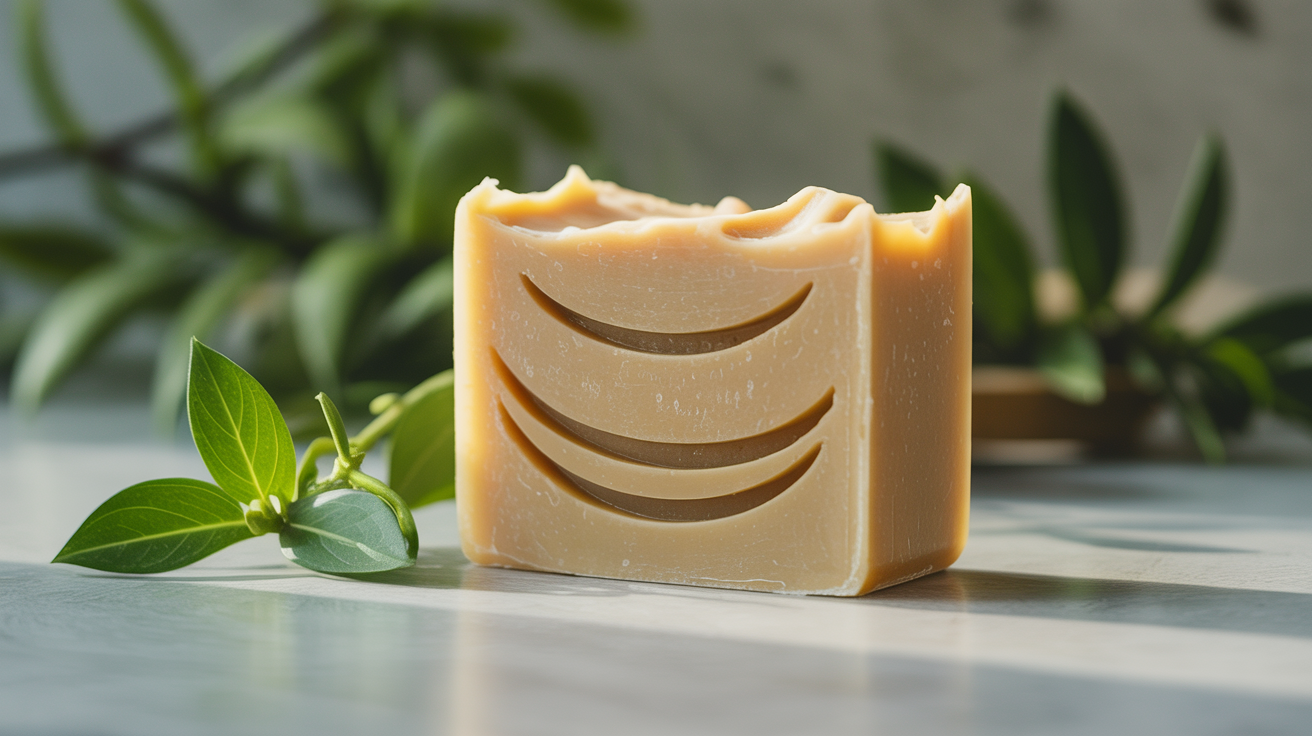
You pull back the parchment paper and find your soap looks like a lumpy, greasy mess, with liquid pooling in pockets or the whole batch split into oily and watery layers. It is a disheartening sight, but it is also a fixable problem once you understand what went wrong.
The short answer: soap separates when oils and lye water never fully combined, or when something knocked the emulsion apart before the soap hardened. Those liquid pockets are not just greasy, they can hold concentrated lye. Treat an unseparated batch with respect before you touch it.
Why Separation Happens
False Trace
This is the most common culprit. False trace happens when you stop blending too soon and mistake a temporary thickening for a real emulsion. Certain oils, especially coconut oil and hard butters, can solidify slightly around the stick blender and make your batter look thick, even though the oils and lye water have barely started to bind. Pour that batter into a mold and the emulsion breaks as it sits.
True trace looks different: the batter coats a spoon, drizzle off the stick blender sits on the surface for a second before sinking back in, and the texture is consistent all the way through, not grainy or separated at the edges.
Measuring Errors
Too much oil relative to lye leaves a surplus of unsaponified fat that never bonds. Too much water makes the batter too thin and prone to breaking. Both errors come from measuring by volume instead of weight. A tablespoon of olive oil is not a reliable unit; a gram of olive oil is.
Lye safety for beginners covers accurate measuring in detail, but the short version is: use a kitchen scale, tare between each ingredient, and double-check your recipe in a lye calculator before you start.
Temperature Problems
When oils and lye water are too far apart in temperature, or when one of them is too cool, the fats can seize or separate before the emulsion stabilizes. Most cold-process recipes recommend soaping with both components between 90°F and 110°F (32°C to 43°C) and within about 10°F of each other. Extremely high temperatures can also cause overheating in the mold, which sometimes leads to separation if a fragrance or colorant is involved.
Fragrance and Additive Acceleration
Some fragrance oils accelerate trace so fast the batter seizes before you can blend it properly. Others do the opposite and thin the batter, making it more likely to separate. Essential oils like clove, cinnamon, and some citrus oils are notorious for causing problems. If your batch seized and then separated, a reactive fragrance is a likely explanation.
Why did my soap seize goes deeper on fragrance behavior, but the fix is usually to test new fragrances in a small test batch first.
Safety First: Treat Separated Soap as Active Lye
This point cannot be overstated. When soap separates, the batch may not have completed saponification. Liquid or oily pockets can carry a high concentration of unreacted lye.
Do not touch a separated batch with bare hands. Put on your gloves before you poke at it, stir it, or attempt a rescue. Avoid touching your face.
The zap test tells you whether active lye is still present. Once the soap has cooled to a safe handling temperature, tap a very small amount to the tip of your tongue. If you feel a sharp tingle or "zap" sensation, lye is still active. If you feel nothing, saponification is complete. Either way, wear gloves until you are certain the batch is safe.
If you smell ammonia or the liquid looks caustic, let the batch sit sealed in the mold for a full 48 hours before handling. Sometimes a separated batch will re-emulsify on its own with the heat of saponification.
Quick Reference: Symptom to Cause
| Symptom | Likely Cause | Fix |
|---|---|---|
| Oily liquid pooling on top | False trace, oils never emulsified | Rebatch (see below) |
| Grainy, cottage-cheese texture | Temperature shock or lye-heavy pocket | Rebatch; zap test first |
| Soapy layer on bottom, oil on top | Measuring error (too much oil) | Rebatch; check recipe in lye calculator |
| Batch seized in bowl then split | Reactive fragrance | Rebatch; test fragrances in small batches |
| Pockets of clear liquid | Possible lye concentration | Gloves on; zap test; rebatch |
How to Prevent Separation
Blend to True Trace
Use a stick blender in short pulses, alternating with hand stirring. Stop and check frequently. You are looking for a batter that is uniformly thick, shows a defined drizzle pattern on the surface, and has no visible oil streaks or watery patches near the sides of the bowl.
If you are using a recipe with a high percentage of hard oils or coconut oil, let the oils melt fully and cool before blending. Partial solidification fools you into thinking the batter is thick when it is not.
Measure Everything by Weight
Buy a scale with a 0.1-gram resolution for lye and a 1-gram resolution for oils. Volume measurements for soap making are genuinely unreliable, not because of a minor rounding error but because the density of oils varies significantly. A digital scale removes that variable entirely.
Match Temperatures
Use a thermometer (a cheap infrared gun works well). Bring your lye water and your melted oils to within 10°F of each other before combining. If your lye water is still too hot, set it in a water bath or let it cool on the counter.
Research Your Additives
Before using a new fragrance oil in a full batch, mix a small amount with a few tablespoons of your base oils to see how it behaves. A fragrance that thickens instantly at room temperature will likely seize or separate in your full batch.
How to Rescue a Separated Batch: Rebatching
Rebatching (also called hot-process rescue) works for most separated batches, as long as the underlying recipe is correct. If your separation came from a measuring error, fix the recipe before you try again.
- Put on your gloves. Move the separated soap into a slow cooker or a stainless-steel pot.
- Heat on low, stirring gently, until the soap melts into a uniform consistency. It will look like mashed potatoes and then smooth out.
- Watch the temperature. You want to hold it around 160°F to 180°F (71°C to 82°C) without scorching.
- Do a zap test once the soap looks uniform. If you still feel a zap, keep cooking and stirring for another 15 to 20 minutes, then test again.
- Once the zap test is clear, scoop the soap into a lined mold and press it flat. Rebatched soap is rustic looking but perfectly usable.
Fragrance is lost to heat during rebatching, so add a small amount of new fragrance just before molding if you want a scented bar.
Rebatched soap is usually opaque and slightly rough in texture compared to cold-process soap, but it lathers and cleans just as well. Some makers actually prefer it for utility bars.
Frequently Asked Questions
Is separated soap safe to use?
Not without testing first. A separated batch may still contain active lye, which will burn skin. Do the zap test before using or giving away any soap that separated during the cure. If you feel any tingle, rebatch it before using.
Can I just leave a separated batch in the mold and hope it fixes itself?
Sometimes, yes. If the separation is minor (a thin oily film on top), you can cover the mold and let it sit for 24 to 48 hours. The heat of saponification sometimes pulls a lightly separated batch back together. Check it after 48 hours with gloves on, and zap test before unmolding. If the separation is more severe (visible liquid pools or a hard layer on top of oil), rebatching is the reliable fix.
My soap looks fine on top but has a liquid pocket when I cut it. What do I do?
Stop cutting and put on gloves. Liquid pockets inside a bar are one of the more hazardous outcomes of separation because they look harmless until you expose them. Set the bars aside, do a zap test on the liquid, and rebatch if there is any tingle. Even if the zap test is clear, bars with internal pockets should be rebatched because the texture is uneven and the bar will be prone to crumbling.
Will adding more lye fix a batch that separated from too much oil?
No. Adding raw lye to a partially saponified batch is dangerous and difficult to do accurately. The safe fix is rebatching, which finishes saponification under controlled heat.
How do I know if I reached true trace before pouring?
Lift your stick blender out of the batter and let some drizzle off the tip. If the drizzle sits on the surface for a visible moment before dissolving back in, that is a good sign. Also look at the edges of the bowl. True trace batter is consistent; false trace batter often looks thicker in the middle and oilier near the sides. If you are uncertain, blend for another 30 seconds and check again.
Soda ash on cured soap is a related (and much less serious) issue that also shows up at unmold time, so if your bars look powdery rather than oily, that article is worth reading.