Troubleshooting & Safety
Why Is My Cold Process Soap Soft or Not Hardening?
Cold process soap not hardening? Here are the most common reasons (water amount, oil choice, cure time) and how to fix or prevent soft bars.
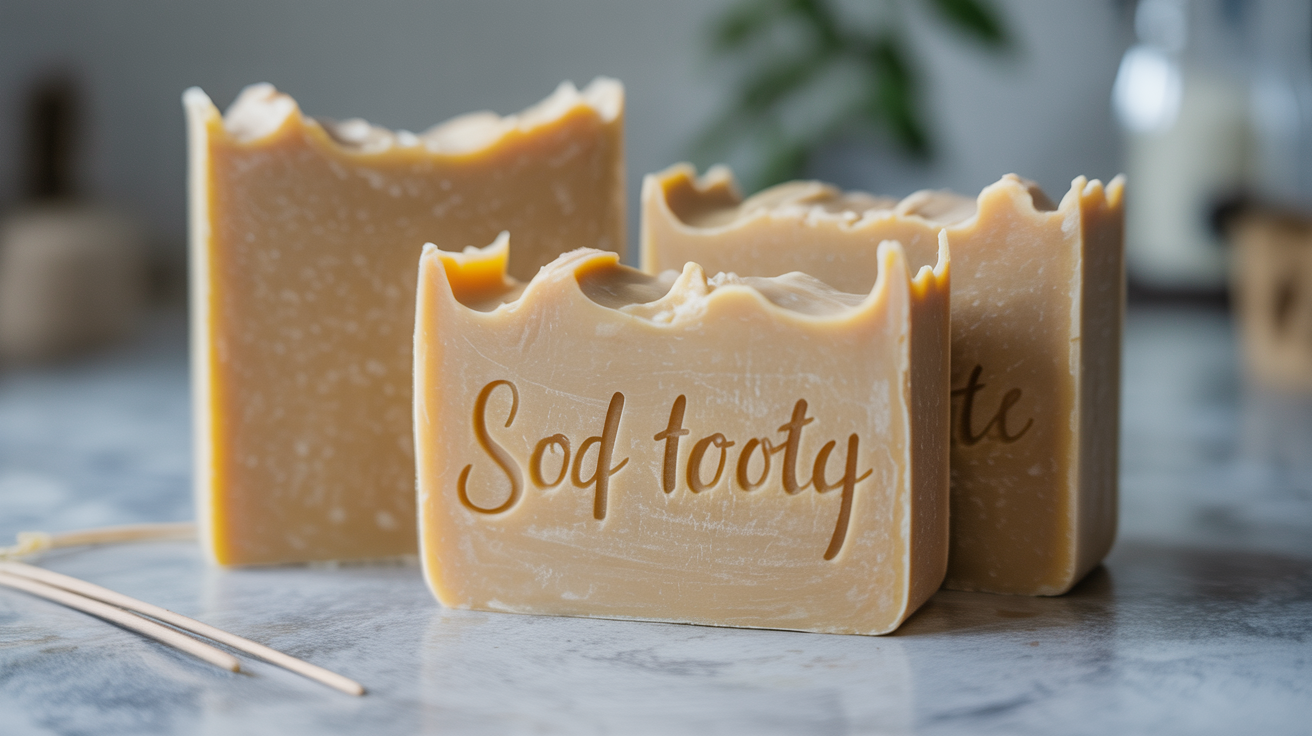
Cold process soap is supposed to unmold firm, cure hard, and last through dozens of uses. When you reach in after 24 to 48 hours and find a bar with the consistency of cream cheese, it can feel like something went badly wrong. In most cases, nothing irreversible happened. Soft soap is one of the most common cold-process problems, and there are only a handful of real causes.
This guide walks through each one: too much water, the wrong oil balance, an incorrect lye amount, a cold pour or cool cure, and a few less obvious culprits. For each cause you will find practical fixes, including how to tell whether a soft batch is salvageable or needs to be rebatched.
Why Soap Hardens at All
Cold process soap hardens through two separate processes, and understanding both helps you diagnose what went wrong.
The first is saponification: the chemical reaction between lye (sodium hydroxide) and oils that produces soap molecules. Saponification is mostly complete within 24 to 48 hours. When it is running well, bars firm up steadily as the reaction proceeds.
The second is water evaporation. You dissolve lye in water to create lye solution, and that water gets locked into the batter. As the bar cures on the rack over the following weeks, the water slowly escapes through evaporation. A typical 4 to 6 week cure removes a large portion of the original water weight, which is why freshly cut bars feel noticeably softer and heavier than a fully cured bar.
A bar that stays soft almost always has too much water, the wrong oil profile, or both.
The Most Common Causes of Soft Cold Process Soap
High water or low lye concentration. The single most common reason for soft soap is too much water relative to lye. Most beginner recipes call for a 33 percent lye concentration, meaning 33 grams of lye dissolved in 100 grams total of water and lye combined. Running that concentration lower (more water) means more moisture locked in the bar and a longer, softer cure. If you calculated your recipe at full water and the batch is still squishable at 48 hours, extra water is the first suspect.
Soft oils dominating the recipe. Oils high in unsaturated fatty acids, like olive oil, sunflower oil, avocado oil, and sweet almond oil, produce beautifully conditioning bars but harden very slowly. A 100 percent olive oil bar (Castile soap) can take 6 to 12 months to cure to a workable hardness. Soft oils need to be balanced with harder oils to produce a bar that releases from the mold in a reasonable time frame.
Too much superfat. Superfat (also called lye discount) is the percentage of oils you deliberately leave unsaponified to add conditioning to your bar. A 5 percent superfat is standard. Push it to 10 or 12 percent and you have noticeably more free oil in the finished bar, which resists hardening and can turn rancid faster.
Fragrance or essential oils that accelerate trace. Some fragrances cause soap to seize or rice, forcing you to add extra liquid to smooth the batter back out. That extra liquid prolongs curing. For more on that particular problem, see our guide on why cold process soap seizes and how to fix it.
Temperature issues during the pour or cure. Cold process soap is exothermic; the reaction generates its own heat. If you pour at too low a temperature or cure in a very cold room, the saponification reaction slows down. Ideal pour temperatures are generally between 90 and 110 degrees Fahrenheit (32 to 43 degrees Celsius), though many soapers work at cooler room temperatures with good results.
Milk or liquid substitutes. Replacing all or part of the water with milk, beer, wine, or juice adds sugars and proteins to the batter. Sugars accelerate the reaction and generate extra heat, which can produce a soft, gooey soap if the bars are not managed carefully during the cure. These recipes often benefit from refrigeration during the first 24 hours to stay firm.
How to Tell If Your Batch Will Still Harden
Before you declare a batch ruined, give it more time. Most soft batches just need patience.
- Wait at least 72 hours before trying to unmold. Some high-olive recipes need a full week in the mold.
- Once you unmold, cut the bars and place them on a rack in a cool, ventilated space away from direct sunlight.
- Check every few days. A bar that is slowly losing moisture will firm up noticeably over 2 to 3 weeks.
- At 4 weeks, do a zap test: touch the bar briefly to the tip of your tongue. A sharp zap (like touching a 9-volt battery) means there is still active lye. A bar that zaps should not be used and needs more cure time or rebatching.
If your bar still feels greasy or very soft at 6 weeks, it is unlikely to improve significantly on its own.
If the bar shows oily pockets or a strange separation rather than simple softness, that points to a different issue. Our guide on soap separation and oil pockets covers what to do in that case.
Oil Profiles and Their Effect on Hardness
A well-balanced recipe typically keeps soft oils under 30 to 40 percent of the total oil weight and pairs them with harder oils to structure the bar.
| Oil | Fatty Acid Type | Effect on Bar Hardness |
|---|---|---|
| Coconut oil | Lauric/myristic | Very hard and fast-setting; use at 20 to 30% |
| Palm oil | Palmitic | Firm bar, slower lather; use at 25 to 30% |
| Lard or tallow | Palmitic/stearic | Excellent hardness; long-lasting bar |
| Olive oil | Oleic | Soft, slow to harden; Castile can take 6 to 12 months |
| Castor oil | Ricinoleic | Soft on its own; boosts lather; cap at 5 to 10% |
| Sunflower oil | Linoleic | Soft and skin-friendly; cap at 15 to 20% |
| Shea butter | Stearic/oleic | Moderate hardness; conditioning; use at 5 to 15% |
Run any formula through a lye calculator before you make it. SoapCalc and Brambleberry's lye calculator are both widely used free tools. The calculator will confirm your oil percentages, water discount, and exact lye amounts so you know what you are working with before the lye hits the oils. Always wear goggles and gloves when handling sodium hydroxide, work in a ventilated space, and add lye to water rather than water to lye. For a full walkthrough on handling sodium hydroxide safely, see our lye safety guide for beginners.
How to Prevent Soft Soap in Future Batches
A few recipe and technique adjustments will reliably produce firmer, faster-curing bars.
Increase your lye concentration. Moving from 30 to 33 percent lye concentration reduces the water in the recipe and produces firmer bars. Some experienced soapers push to 38 or 40 percent for palm-free recipes. Always run the adjusted amounts through a lye calculator first.
Use a water discount. Instead of calculating at full water, try a 5 to 10 percent water reduction. Less water means a firmer unmold and a shorter overall cure without affecting the final bar quality noticeably.
Balance your oils. If olive oil is more than 40 percent of your recipe, add more coconut oil, shea butter, or tallow to firm things up. A recipe built on roughly 25 percent coconut oil, 30 percent olive oil, and 30 percent lard is a reliable starting point for beginners who want a hard bar with a creamy lather.
Consider gel phase. Covering your mold with a wooden board and wrapping it in towels encourages the soap to pass through gel phase (temperatures around 160 to 180 degrees Fahrenheit / 71 to 82 degrees Celsius internally). Gel phase speeds saponification and produces a glossy, firmer bar. If you are using milk or a high-sugar recipe, skip insulation entirely and refrigerate instead to prevent overheating and a sticky, discolored top.
Keep your workspace warm during cure. Cold rooms slow the saponification reaction. Aim for 65 to 75 degrees Fahrenheit (18 to 24 degrees Celsius) during the first 24 hours and throughout the cure.
Frequently Asked Questions
How long should I wait before unmolding cold process soap? Most recipes are ready to unmold between 24 and 48 hours. High-olive or milk-based recipes may need 3 to 7 days in the mold. If the bar still feels soft and sticky at 72 hours, leave it another few days before cutting.
Can I put soft soap in the freezer to help it harden? Refrigerating soap can help milk recipes stay firm during the first 24 hours, but freezing is not a reliable fix for a soft batch caused by too much water or an unbalanced oil blend. The bar will just be cold until it thaws, then soft again.
My soap was firm in the mold but softened after I cut it. What happened? This is normal. The cut surface exposes the wetter interior of the bar. Place bars on a rack with space between them so air can circulate on all sides. They will firm up as moisture evaporates over the cure.
Is it safe to use a bar that is still soft? A soft bar that still zaps on a zap test should not be used on skin. Wait until there is no zap before the bar touches anyone. A bar with no zap but that is simply soft from high moisture is not dangerous to use, but it will dissolve much faster in the shower and will not last long.
Can I rebatch a soft soap that will not harden? Yes, rebatching is an option. Grate the bars into a slow cooker with a small amount of water (about 1 tablespoon per pound of soap), heat on low, and stir until the mixture comes together into a smooth paste. You can add sodium lactate at this stage to encourage faster hardening, then repour into a mold. Rebatching does not correct a recipe with a lye error, so do a zap test first and run the original formula through a lye calculator to confirm the lye amount was right before remaking it.