Melt & Pour
How to Make Melt and Pour Soap Look Professional
Simple, practical tips for getting smooth, glossy, bubble-free melt and pour soap bars that look like they came from a boutique.
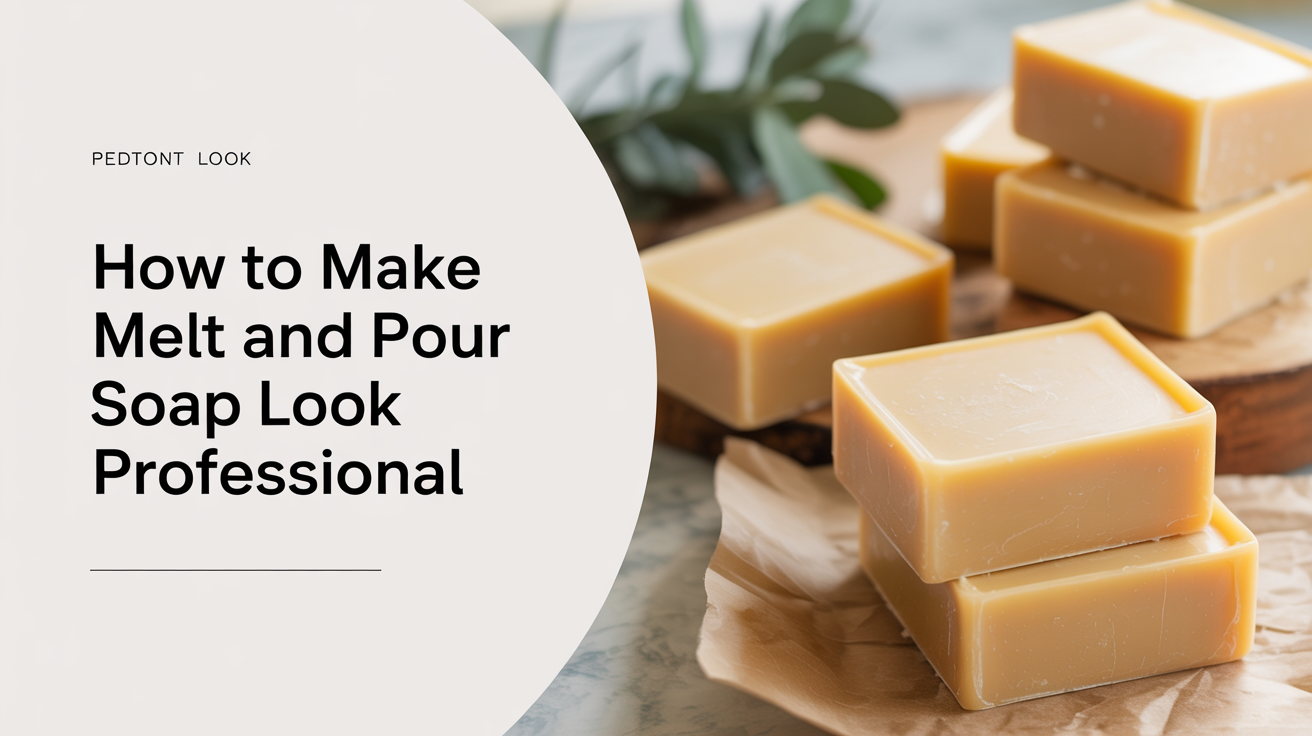
Melt and pour soap has a reputation as a beginner's shortcut, but the bars that people remember are the ones that look clean, polished, and intentional. Getting there is mostly about controlling a few variables that beginners usually skip: temperature, additives, pour speed, and the finishing steps. None of it is complicated, but each detail has a noticeable effect on the final bar.
This guide focuses on the craft side, not the chemistry. Because melt and pour base has already gone through saponification at the manufacturer, you are working with a finished soap that you melt, customize, and pour. There is no lye handling on your end, which keeps the process accessible. That said, the techniques below apply whether you are making bars for yourself, gifts, or eventually a small shop.
Start With the Right Base for the Look You Want
The base you choose shapes the result before you add a single drop of color or fragrance. A clear glycerin base gives you depth and transparency that looks sculptural when you embed botanicals or layer colors. A white or shea butter base produces an opaque bar with a creamy, smooth face. Picking the wrong one for your design is the first place bars start looking off.
A few things to know when selecting a base:
- Clear bases show every bubble, so technique matters more. They reward careful pours and rubbing alcohol spritzing.
- White bases hide small air pockets more easily and give bolder color payoff with less colorant.
- Specialty bases (goat milk, honey, castile-style) can have a slightly yellow or off-white cast that shifts your colors.
Read the base label for pour temperature before you buy. Most bases pour well somewhere between 120°F and 140°F (49°C to 60°C). A base that requires a higher heat to stay fluid will give you a shorter working window and more risk of overheating. For a full comparison of what to look for, the best melt and pour soap bases for beginners covers the main options side by side.
Temperature Control Makes or Breaks the Finish
Overheated base is the single most common reason melt and pour bars look rough. When base gets too hot (above roughly 160°F / 71°C), the glycerin starts to weep, the surface becomes pitted, and delicate colorants can brown or shift. Sweat on a cooled bar, a grainy texture, or a bubbly top are often temperature problems, not ingredient problems.
Use a digital thermometer every time. Here is a simple temperature guide:
| Stage | Target Range |
|---|---|
| Melting (microwave or double boiler) | Until just melted; stop at 120-140°F (49-60°C) |
| Adding fragrance and color | 120-130°F (49-54°C) |
| Pouring into mold | 110-120°F (43-49°C) |
Lower and slower is almost always better. If you are using a microwave, work in 30-second bursts and stir between each one. The base will hold heat and continue melting after you stop running the microwave, so pulling it out with a few unmelted chunks and stirring until they dissolve often gives you a better result than running it until fully liquid.
Spritz the top of each pour immediately with 91% isopropyl alcohol. This pops surface bubbles on both clear and opaque bases and is the single cheapest upgrade you can make to your finish.
Getting Color and Fragrance Right
Color mistakes are visible in a way that most other soap problems are not. The two most common: using too much colorant so the shade looks muddy or industrial, and adding it too hot so it bleeds or shifts.
For melt and pour:
- Micas give clean, consistent color and hold well. Start with roughly 1/4 teaspoon per pound of base and adjust up from there.
- Soap-safe liquid colorants are easy to dose but easy to over-add. Drops matter here.
- Natural colorants (turmeric, spirulina, clays) can look warm and interesting but tend to produce softer, more muted tones and can fade over time.
Avoid cosmetic-grade dyes that are not specifically labeled soap-safe. Some will bleed into adjacent layers or stain skin.
Disperse mica in a small amount of lightweight oil before adding it to your melted base. This prevents speckling and gives you a smooth, even color. A few drops of sweet almond or fractionated coconut oil per teaspoon of mica is enough.
For fragrance, most suppliers recommend 1 oz fragrance oil per pound of base (6% by weight), though this varies by the oil. Add fragrance at the lower end of your temperature window to preserve the scent. High heat can drive off the top notes quickly. For more detail on colors specifically, how to color melt and pour soap walks through mixing ratios and layering technique.
Pouring and Layering for a Clean Result
Pouring speed and technique affect both the look and the structural integrity of layered bars. Slow, low pours reduce bubbles. A pour from height introduces air.
When making layered bars:
- Pour the first layer and let it cool until firm but still slightly tacky, usually 15 to 25 minutes at room temperature.
- Spritz the surface with alcohol before adding the next layer. This creates adhesion between layers. Skip this step and layers separate when you cut or unmold.
- Pour the second layer at a lower temperature than the first, around 110°F (43°C). Too hot and it melts the layer below.
- Spritz the top of the finished pour with alcohol immediately.
For embeds, let them cool completely before placing them in the mold, then pour your base around or over them. Make sure the base is cool enough (close to 110°F / 43°C) or it will melt into the embed and lose the shape.
If your bars are coming out with rough or uneven tops, try covering the mold loosely with plastic wrap after the alcohol spritz. This slows the cooling and lets the surface level itself before skinning over.
Unmolding, Cutting, and Finishing
Patience at unmolding saves a lot of frustration. Melt and pour bars generally need at least two to four hours to set completely at room temperature. Putting them in the freezer for 15 to 20 minutes can speed this up, but too long causes condensation that pits the surface.
When you unmold:
- Silicone molds flex out cleanly when the bar is fully set.
- Hard plastic molds may need a gentle tap or a brief freezer visit.
- Loaf molds cut more cleanly with a sharp, straight-edge soap cutter or a long kitchen knife warmed slightly.
For a professional edge, cut bars with one steady, downward motion rather than a sawing motion. Beveling the edges with a cheese plane or vegetable peeler gives bars a finished look.
Wrap bars immediately after cutting. Melt and pour is hygroscopic, meaning it pulls moisture from the air and will sweat in humid environments. Tightly wrapped bars stay smooth and dry. Shrink wrap or individual cling wrap works well; open-air storage on a rack does not. You can find more on the full process in how to make melt and pour soap: a step-by-step guide.
Frequently Asked Questions
Why does my melt and pour soap have small holes or pits on the surface?
This usually comes from air bubbles that were not popped before the surface set. Spritz with isopropyl alcohol (91% or higher) within about 30 seconds of pouring. If the pitting is on the bottom of the bar, your mold may have had moisture in it; dry molds thoroughly before pouring.
Why are my layers separating when I cut the bar?
The most common cause is skipping the alcohol spritz between layers. The spritz slightly melts the first layer's surface and creates a bond. Temperature also matters: if the first layer was fully cold and smooth before you poured the second, adhesion is weaker. Aim for tacky, not fully set.
Can I use any fragrance oil in melt and pour soap?
Not all fragrance oils are suitable. Some contain components that cause acceleration (where the soap thickens too fast to pour) or discoloration. Look for fragrance oils labeled for melt and pour or cold process soap. If you are unsure, test a small batch first before committing to a full pour.
Why does my finished bar look cloudy instead of clear?
Cloudiness in a clear base usually means the base cooled too quickly, was poured too cool, or has trapped air. Make sure you are pouring above 110°F (43°C) and that the base was fully melted before pouring. A brief time in a warm spot (not a hot oven) can sometimes help a bar clarify slightly before it fully sets.
My bars sweat in storage. What can I do?
Sweating is a glycerin soap characteristic and is more pronounced in humid environments. Wrap bars tightly in plastic wrap or shrink wrap as soon as they are cut and cooled. Avoid storing them in a bathroom or anywhere with temperature swings. If you are selling bars, package them just before shipping rather than in advance.