Melt & Pour
How to Prevent Sweating Melt and Pour Soap
Learn why melt and pour soap sweating happens, how to prevent glycerin dew, and what to do if your bars are already beading with moisture.
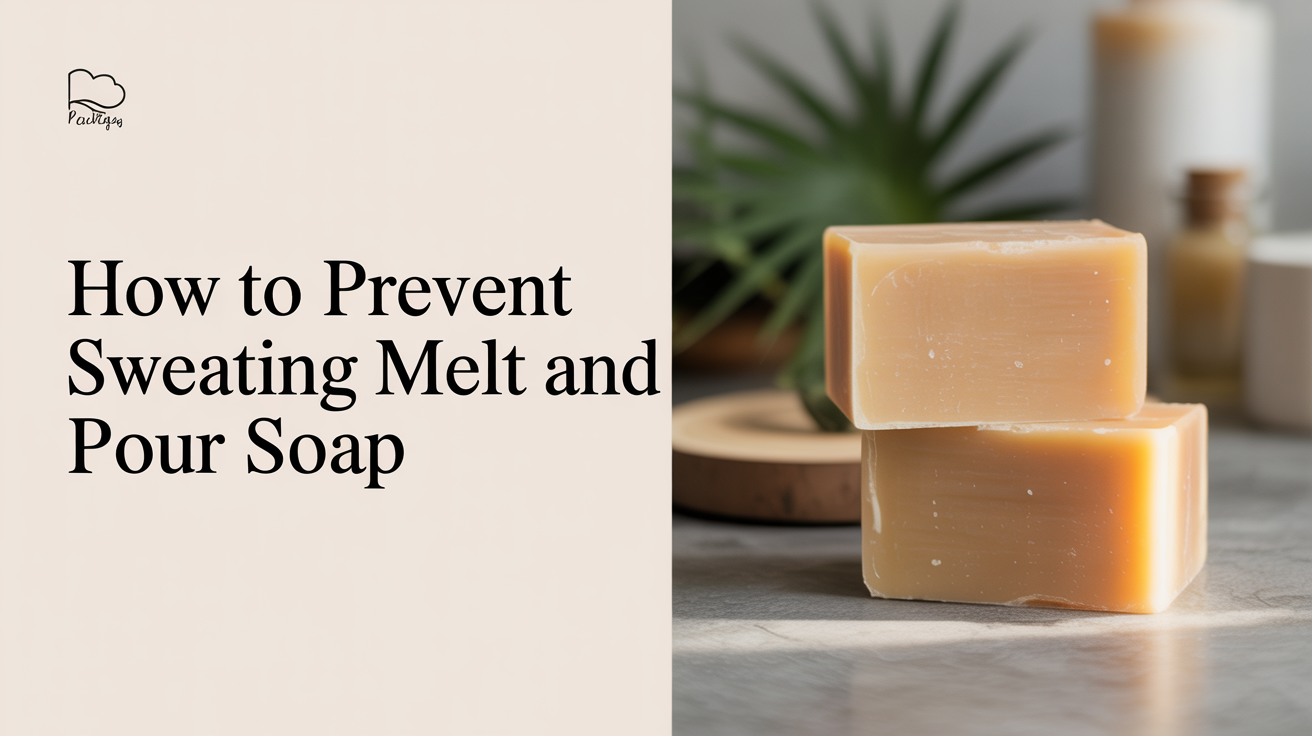
You finished your first batch of melt and pour soap, let it cool overnight, and woke up to find tiny water droplets covering every bar. The soap looks like it just stepped out of the freezer. Nothing is wrong with it. Those beads are called glycerin dew, and they are one of the most common things beginners run into with melt and pour bases.
This guide explains exactly why it happens and, more importantly, how to stop it before your next batch.
What Is Glycerin Dew and Why Does It Happen
Melt and pour soap bases are rich in glycerin, a humectant that draws moisture out of the air. This is actually one of the reasons melt and pour soap feels so gentle and moisturizing on skin. The glycerin in the bar is doing exactly what it is designed to do: attracting water molecules.
The problem is that it does not stop pulling moisture just because you are not washing your hands. When the bar sits in a humid room, glycerin keeps drawing water from the surrounding air until enough accumulates to form visible droplets on the surface.
The Role of Humidity
Glycerin dew is almost always a humidity problem, not a soap problem. Bars left out in a dry climate rarely sweat at all. The same bar in a bathroom, near a kitchen, or anywhere with humid summers can be covered in beads within hours.
Temperature swings make it worse. Moving a cold bar into a warm, humid room causes condensation to form fast, the same way a cold drink sweats on a summer day.
Why Melt and Pour Is More Prone to This Than Cold Process
Cold process soap contains glycerin too, but it also carries unsaponified oils and other components that slow the rate at which glycerin interacts with air moisture. Melt and pour bases are more refined, which makes them milder and faster to use, but it also means the glycerin is more exposed and more reactive to humidity.
How to Prevent Melt and Pour Soap Sweating
Prevention is straightforward once you understand the cause. The goal is to limit the bar's contact with humid air, especially in the first few hours after it sets.
Wrap Bars Immediately After They Firm Up
This is the single most effective step. As soon as a bar has fully cooled and hardened, wrap it tightly in plastic wrap (cling film). Press the plastic against the surface so there is no air pocket between the film and the soap.
Timing matters here. Do not wait until the next morning. Pop the bars out of the mold once they are solid, wrap them right away, and they will have almost no opportunity to pull moisture from the air.
If you want to display unwrapped bars, store them in a sealed airtight container between uses and only bring them out when they are about to be used or gifted.
Use a Low-Sweat or Sweat-Resistant Base
Not all melt and pour bases behave the same way. Some formulas are specifically labeled "low-sweat" or "sweat-resistant." These bases have been adjusted to reduce how aggressively the glycerin interacts with ambient humidity. They are a good choice if you live somewhere hot and sticky or if you are making soap in the summer.
Check the product description from your supplier before ordering. If sweating has been a consistent problem with your current base, switching to a low-sweat version is the easiest long-term fix. For a comparison of different base options, see The Best Melt and Pour Soap Bases for Beginners.
Store Finished Bars in a Cool, Dry Place
Where you keep your soap matters. A bathroom shelf is one of the worst storage spots because bathrooms cycle through humidity spikes every time someone showers. A bedroom dresser drawer, a linen closet, or a cool corner of the kitchen will serve your bars much better.
Avoid storing soap near windows where temperature swings happen, and keep bars away from any appliances that generate steam.
Run a Dehumidifier in Your Workspace
If you make soap regularly and live in a humid climate, a small dehumidifier in your workspace pays for itself quickly. Keeping ambient humidity below 50 percent removes the root cause of glycerin dew rather than just managing it after the fact.
This is especially worth doing during summer months when outdoor humidity tends to bleed indoors even with air conditioning running.
A Quick Reference: Causes and Fixes
| Cause | Prevention |
|---|---|
| High ambient humidity | Dehumidifier, climate-controlled storage |
| Bars left unwrapped | Wrap in plastic film immediately after bars firm up |
| Temperature swings (cold bar, warm room) | Let bars reach room temperature in a sealed bag before unwrapping |
| Glycerin-heavy base formula | Switch to a low-sweat base for humid climates |
| Bathroom or kitchen storage | Move bars to a drier room or sealed container |
What to Do If Your Bars Are Already Sweating
Sweating bars are not ruined. The soap underneath is perfectly fine.
Pat the surface gently with a clean paper towel or soft cloth to absorb the moisture droplets. Do not rub hard, since that can pull the surface of a softer base. Once the surface is dry, wrap the bar immediately in plastic wrap so it cannot pull more moisture from the air.
If a bar has been sweating heavily for several days, the surface texture may look slightly tacky or uneven. It will still lather and moisturize normally. If the bars are gifts and appearance matters, a light re-wrap in kraft paper or a muslin bag hides any imperfections without trapping more moisture.
One thing to check: if your soap smells off or has developed any visible discoloration beyond the surface, that is worth investigating separately. Glycerin dew alone does not cause those issues, but additives like certain fragrance oils or botanicals can cause their own reactions over time.
Sweating Does Not Mean the Soap Failed
New soap makers sometimes assume a sweating bar is a sign they did something wrong. It is not. Glycerin dew is a physical property of high-glycerin soap bases interacting with humid air. It has nothing to do with your technique, your colorants, or how you poured the base.
The bars lather, moisturize, and last exactly as well as bars that never sweated at all. Wrapping them promptly solves the cosmetic issue completely.
If you are new to working with melt and pour, it helps to understand the full process first. How to Make Melt and Pour Soap: A Step-by-Step Guide covers everything from melting to demolding. And once you have the basics down, adding color is the next place most beginners want to experiment: How to Color Melt and Pour Soap walks through dyes, micas, and natural options.
Frequently Asked Questions
Is sweating melt and pour soap safe to use?
Yes, completely. The moisture on the surface is just water that the glycerin pulled from the air. It does not affect how the soap cleans, how long it lasts, or whether it is safe for skin. Pat the surface dry and use the bar normally.
How long does it take for melt and pour soap to start sweating?
It depends on humidity levels. In a very humid room, bars can begin showing moisture within a few hours of demolding. In drier conditions, the same bar might sit unwrapped for days without any visible beads. Wrapping immediately after the bar hardens is the safest habit regardless of where you live.
Will putting soap in the freezer stop it from sweating?
No. Putting warm soap in the freezer speeds up hardening, but when you take a cold bar out into a warmer room, condensation forms fast on the cold surface. This actually causes heavier sweating in the short term. Let bars cool at room temperature and wrap them as soon as they are firm.
Does adding fragrance oil make sweating worse?
Some fragrance oils contain components that affect the surface of melt and pour soap, but they are not a common cause of glycerin dew. Humidity is the primary driver. That said, certain fragrance oils at high usage rates can make the surface of a bar feel slightly tacky, which is sometimes mistaken for sweating. Check your fragrance oil's recommended usage rate and test at lower amounts if you notice unusual surface texture.
Can I sell sweating soap?
Technically yes, since it is not a quality defect, but presentation matters for customers. Wrap bars in sealed plastic before packaging them in decorative paper or labels. This keeps the bars looking clean through shipping and display and prevents the glycerin dew from making the outer packaging wet and soft.