Getting Started
Is Making Soap at Home Worth It? Cost and Time
Honest breakdown of soap making costs, time investment, and real benefits so you can decide if the hobby makes sense for you.
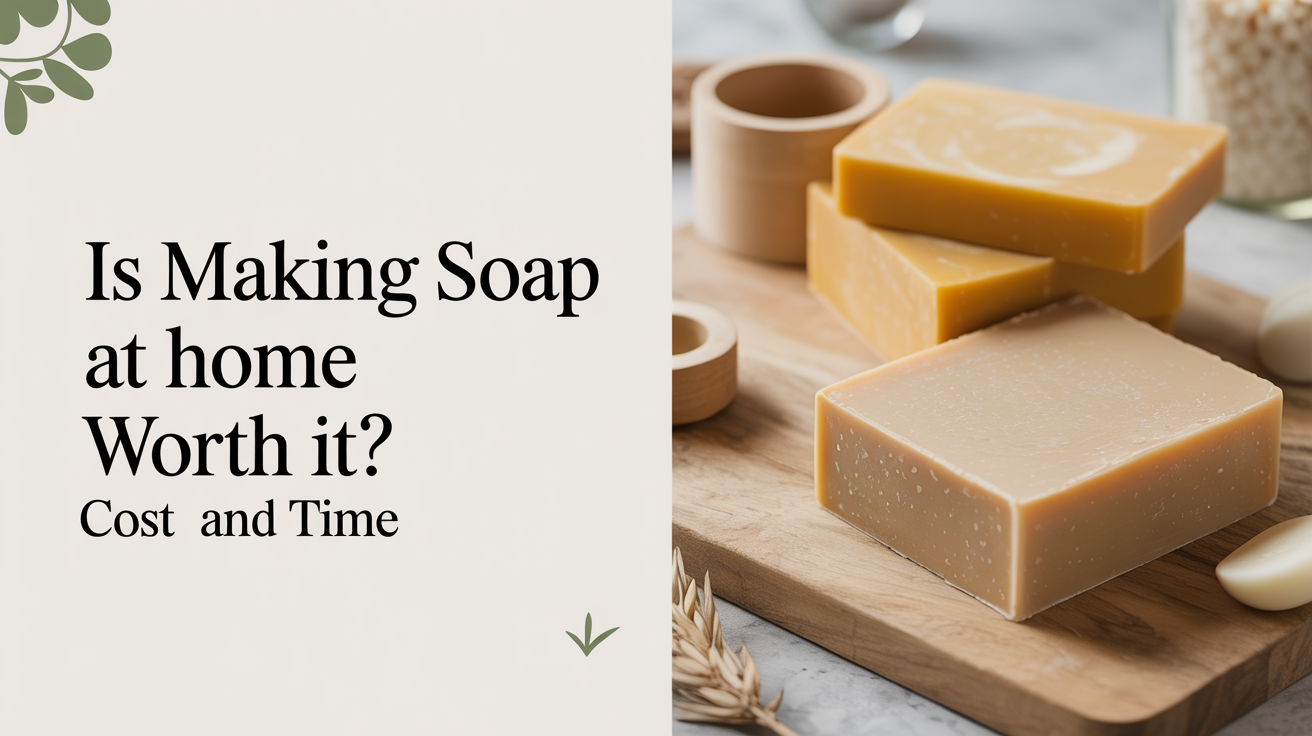
Here is the short answer: making soap at home is almost never cheaper than buying a two-dollar bar of supermarket soap. But cost is rarely the point. Once you understand what goes into the process, most beginners decide the quality, ingredient control, and satisfaction of the craft make it worthwhile. This guide walks through the real numbers so you can make that call yourself.
The Upfront Cost: Equipment and First Supplies
Your first batch costs the most. You are buying equipment you will use for years, plus the raw materials for that first recipe.
Equipment
Cold process soap requires a dedicated set of tools that never go back in your kitchen. Lye (sodium hydroxide) reacts with oils at a chemical level, and any equipment it touches should stay soap-only.
Expect to spend roughly $50–$120 on equipment the first time:
- Stick blender: $20–$40 (the single most useful tool)
- Digital kitchen scale: $10–$20 (essential; soap making is by weight, not volume)
- Stainless steel or heat-safe plastic pitchers: $10–$20
- Silicone loaf mold: $15–$30
- Safety gear (goggles, gloves, long sleeves): already around the house or under $15
- Thermometer: $5–$15
You can trim this by buying secondhand or using items you already own, but budget for the full range if starting from scratch.
First Raw Materials
A basic 2-pound batch of cold process soap uses a blend of oils (olive, coconut, castor are common), lye, water, and optional fragrance or colorant. First-time supply costs typically land between $40 and $80, depending on which oils you choose and whether you add extras.
Olive oil is more expensive than palm or lard. Fragrance oils run $5–$20 for a small bottle. Lye costs roughly $3–$6 per pound and is available at hardware stores or online.
A realistic all-in first batch: $90–$200, yielding 8–12 bars.
Cost Per Bar Once You're Set Up
After the first batch, the math improves significantly. Equipment is already paid for. You are only buying oils, lye, and additives.
| Cost Area | Rough Range | Note |
|---|---|---|
| Equipment (one-time) | $50–$120 | Lasts years with care |
| Oils per 2 lb batch | $15–$35 | Depends on recipe |
| Lye per batch | $2–$5 | Sodium hydroxide |
| Fragrance/colorants | $3–$15 | Optional; batch dependent |
| Packaging/labels | $1–$5 | If gifting or selling |
| Cost per bar (ongoing) | $2.50–$5.50 | 8–12 bars per batch |
Compare that to a basic drugstore bar at $1–$2 or a luxury artisan bar at $8–$14. Homemade soap sits in the middle of that range once your equipment is paid off.
If you are chasing pure economy and fine with whatever is on the shelf, store soap wins. If you want bars with specific oils, no synthetic detergents, or particular scents, homemade becomes competitive, sometimes cheaper than boutique alternatives.
Buying in Bulk
Cost per bar drops further when you buy oils in larger quantities. A gallon of olive oil from a restaurant supply store or warehouse club runs about $15–$20 and covers multiple batches. Lye in 5-pound bags costs less per ounce than the one-pound hardware-store container. Committed hobbyists who batch regularly often land at $1.50–$3 per bar in materials.
The Time Involved
Cost and time are separate questions. Both matter.
Active Time Per Batch
Cold process soap making takes 1–2 hours of hands-on work: weighing and melting oils, carefully mixing lye and water, combining them, adding fragrance, pouring into the mold, and cleanup. The actual process, once you have done it a few times, is closer to 45 minutes. The first time takes longer because you are working carefully and double-checking steps.
Our complete beginner's guide walks through the process start to finish, including the safety steps that matter most with lye.
The Cure: The Part Beginners Underestimate
This is where cold process soap differs from melt-and-pour. After you pour the batter into the mold, the soap needs to cure for 4 to 6 weeks before it is ready to use.
During that time, the saponification process finishes, water evaporates, and the bar hardens. Using soap before it cures means a soft, mushy bar that dissolves quickly and may still contain unsaponified lye. Waiting is not optional.
For most beginners, this is the biggest time surprise. You make soap in February, and you cannot use it until March or April. If you want to give bars as holiday gifts, you need to plan 6–8 weeks ahead.
Melt-and-pour soap bypasses the cure requirement because the saponification already happened during manufacturing. You simply melt, add color and fragrance, pour, and use within hours. The tradeoff is less control over the base formula. The different soap making methods explained covers this comparison in more detail.
Ongoing Time Commitment
Soap making is not a fast hobby. If you batch once a month to keep a regular supply, you are spending roughly 2 hours of active work plus 4–6 weeks of passive cure time. Serious hobbyists batch more often and build up a curing inventory so there is always soap ready.
The Non-Money Benefits
Most people who stick with soap making are not doing it to save money. They are doing it for reasons that do not show up in a cost spreadsheet.
Ingredient Control
Commercial soap, including many bars labeled "natural," often contains synthetic surfactants, preservatives, and fillers. When you make your own, you choose every ingredient. That matters for people with sensitive skin, fragrance allergies, or strong preferences about what goes on their body.
You can make an unscented bar with a single oil blend. You can add oat flour, clay, or botanicals. You can formulate a recipe specifically for dry skin or for a child's bath. That level of control has real value, even if it is hard to assign a dollar figure to it.
Gifts
A cured bar of soap with a clean label and simple packaging makes a thoughtful, inexpensive gift. Most people receive handmade soap gratefully, and the cost per bar stays low even with nice packaging. Many hobbyists start for themselves and end up giving away more soap than they use.
The Craft Itself
There is a specific satisfaction to combining raw oils and lye, watching them emulsify, and unmolding a firm bar six weeks later. It is a chemical process you can learn and repeat reliably. That reliability is part of the appeal. For people who enjoy methodical, hands-on making, soap becomes a legitimate hobby rather than a chore.
The beginner supplies list can help you assemble a starter kit without over-buying, which is a common first mistake.
If You Want to Sell
Selling handmade soap is a different question, and the honest answer is that most small-scale sellers do not profit much once they account for all their costs.
Materials, packaging, labels, and platform fees (Etsy, farmers market tables, etc.) add up. Depending on your location, you may also need to comply with cosmetic labeling regulations and carry liability insurance. Selling three bars a week at $8 each does not cover overhead once you factor in time.
That does not mean it is impossible. Soap makers who develop a real following, sell at scale, or specialize in high-demand products (unscented, sensitive skin, specific ingredients) can build a profitable side business. But it takes consistent volume and a market. Do not start the hobby expecting it to pay for itself quickly.
Frequently Asked Questions
Is homemade soap actually better than store-bought?
That depends on what you mean by better. Many commercial bars contain synthetic detergents and preservatives that some people prefer to avoid. Handmade cold process soap retains glycerin, a natural byproduct of saponification that manufacturers often remove to sell separately. Whether that matters depends on your skin and priorities.
How much does it cost to make a batch of soap?
A basic 2-pound cold process batch costs $20–$50 in materials once you own equipment, yielding 8–12 bars. That puts you at roughly $2.50–$5 per bar. Your first batch costs more because you are buying equipment at the same time.
Do I need special equipment to make soap?
Yes, a few dedicated tools: a stick blender, a digital scale, heat-safe pitchers, a mold, and safety gear. Lye equipment should not go back in your kitchen after use. The full list is short and affordable.
Can I skip the 4-6 week cure?
For cold process soap, no. The cure is not just about hardness; it is part of the chemical process. Using soap that has not finished curing means a soft bar with potential lye traces. Melt-and-pour bypasses this because the base is pre-made.
When does soap making become cost-effective?
The break-even point depends on what you are comparing to. Against basic drugstore soap, you may never fully break even. Against premium artisan bars at $10–$14 each, you break even within a few batches. Most people who find the hobby worthwhile are not treating it as a financial calculation.